

FSA KFX i28 Wheels
Intended Use: XC / Trail
Internal Width: 28 mm
Versions Offered:
- Front: 29’’, 6-bolt, 15 x 110 mm Boost only
- Rear: 29’’, 6-bolt, 12 x 148 mm Boost only
Stated Weight (Wheelset): 1,566 g
Blister’s Measured Weights:
- 29’’ Front (with valves and tape): 750 g
- 29’’ Boost Rear (XD driver, with valves and tape): 880 g
- Wheelset: 1,630 g
MSRP:
- Front: $750 USD
- Rear: $1,061
- Wheelset: $1,811
Reviewer: 6’, 165 lbs / 183 cm, 74.8 kg
Bolted To: Trek Top Fuel
Test Locations: Washington
Test Duration: 4 months
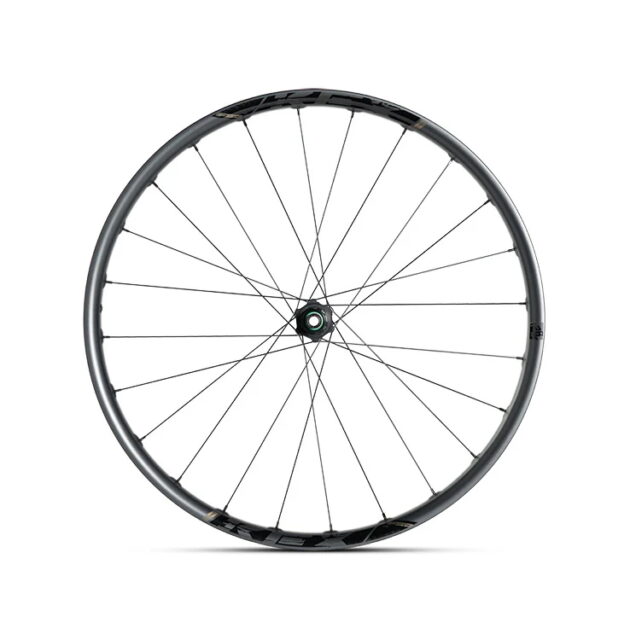
Intro
FSA may not be the first name that pops into your head when thinking of high-end wheelsets, but despite a quieter marketing presence than some other brands, we were quite impressed by the performance of their burlier Gradient i30 wheels when we tested them earlier this year. Those burlier wheels also have a lighter-weight sibling — the KFX i28 — and we’ve now been spending a whole lot of time seeing how they stack up as an XC / Trail option.

Design
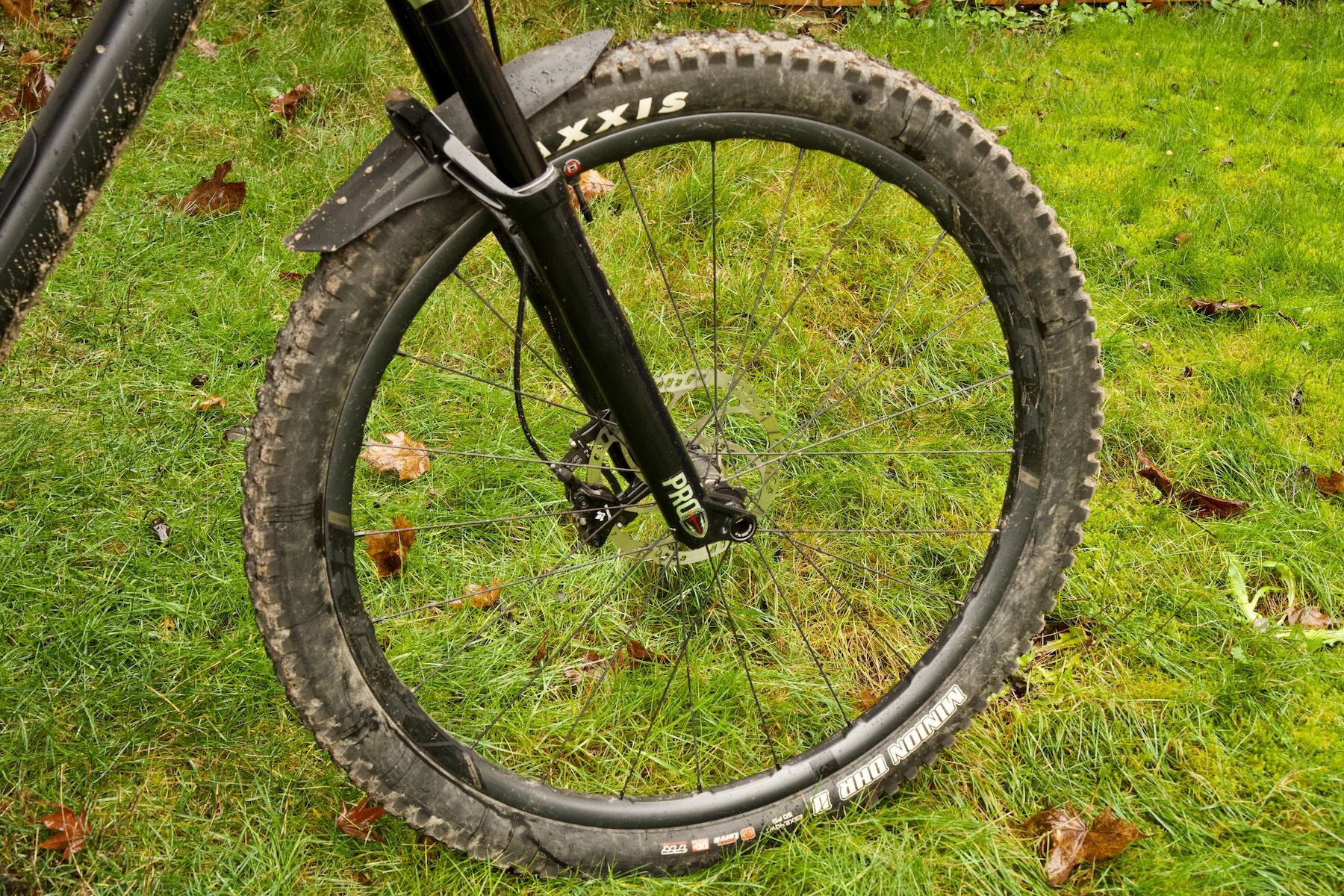
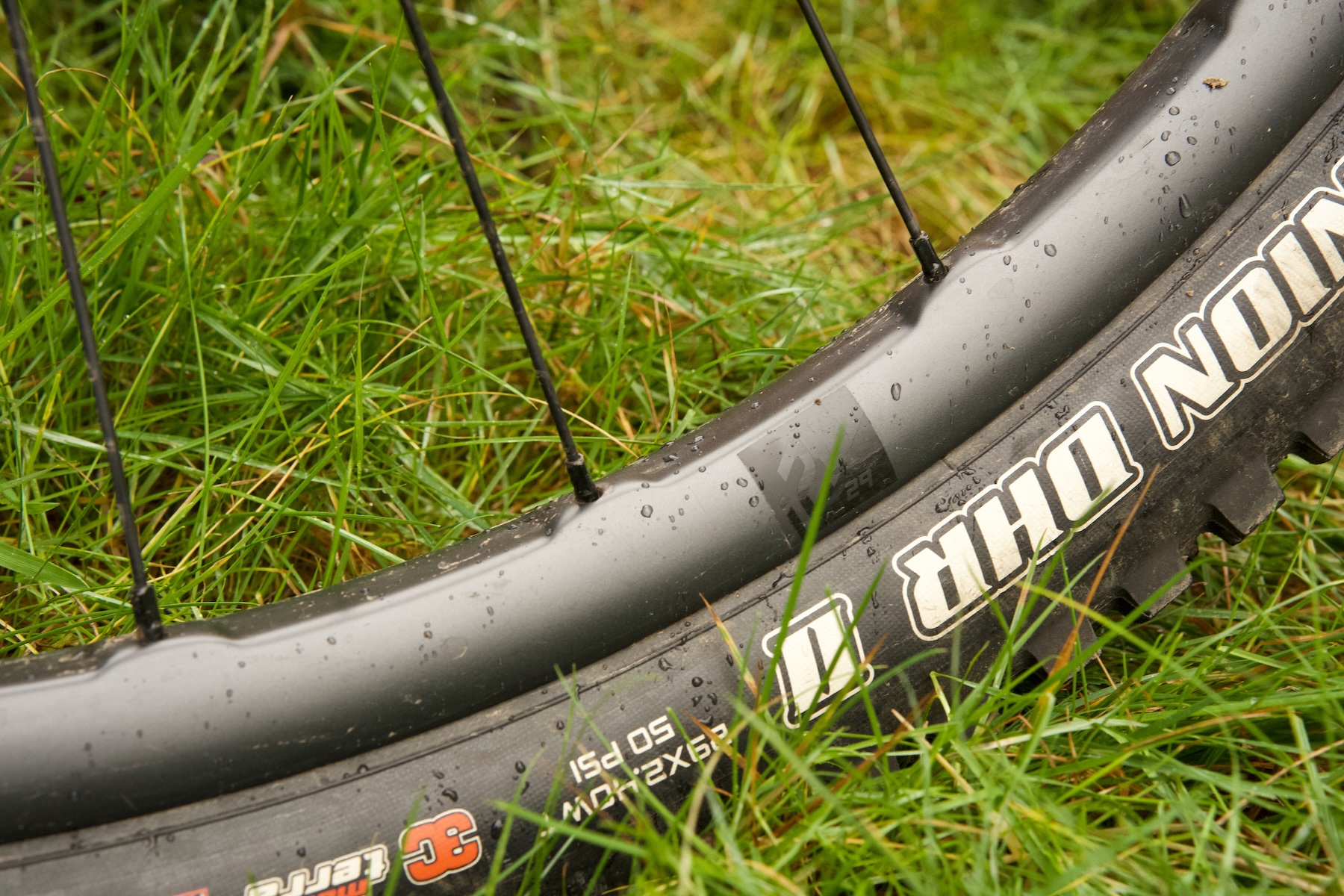
FSA bills the KFX i28 wheels as XC-focused, but there’s nothing about them that feels especially delicate—in fact, they share a lot of design elements with the burlier Gradient i30 wheels. The KFX i28 wheels use carbon rims with a nice-looking satin finish and fairly subtle graphics (which are stickers, if removing them is of interest). The rims are hookless and, as the i28 in the name implies, are internally 28 mm wide. Like the Gradient i30 rims, the rim profile has reinforced “turrets” where FSA has reinforced the spoke holes with extra material, and they’re laced two-cross with double-butted straight pull spokes and brass nipples.
The BOA dials that Shimano uses for the main closure on the GE9 feature
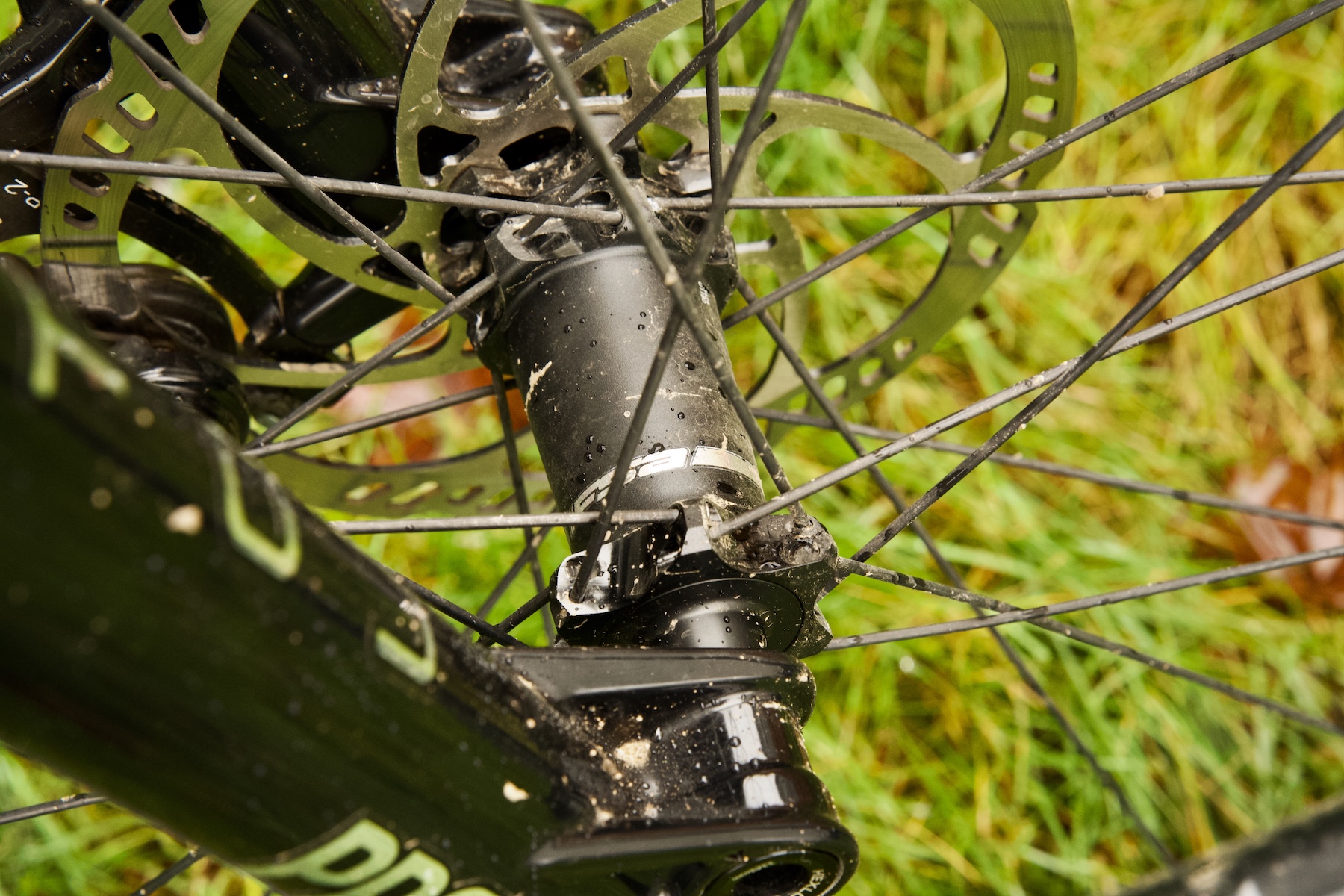
The KFX i28 wheels share the same Power Ratchet System (PRS, for short) hubs as used on the Gradient i30 wheels. That means straight-pull spokes, Boost-only spacing and 6-bolt rotor mounts. The guts of the hubs are the same, too, and I’ve borrowed my description from the Gradient review to explain how the PRS driver works:
“The PRS X-900 system takes inspiration from Chris King’s expired Ring Drive patent and consists of two steel ratchet rings backed by a spring, which deliver 72 points of engagement. The larger drive ring is keyed into the hub shell and easily removed for maintenance.
When freewheeling, the two rings are held together by the fairly light tension of the spring, but once power is applied at the pedals, a helical spline on the driver body (which interlocks with the smaller ratchet ring) presses the two rings firmly together. This design theoretically reduces drag while coasting by allowing a lighter spring to be used, while taking advantage of the rider’s pedal force to drive the rings together and create a strong interface between the ratchets under power.”
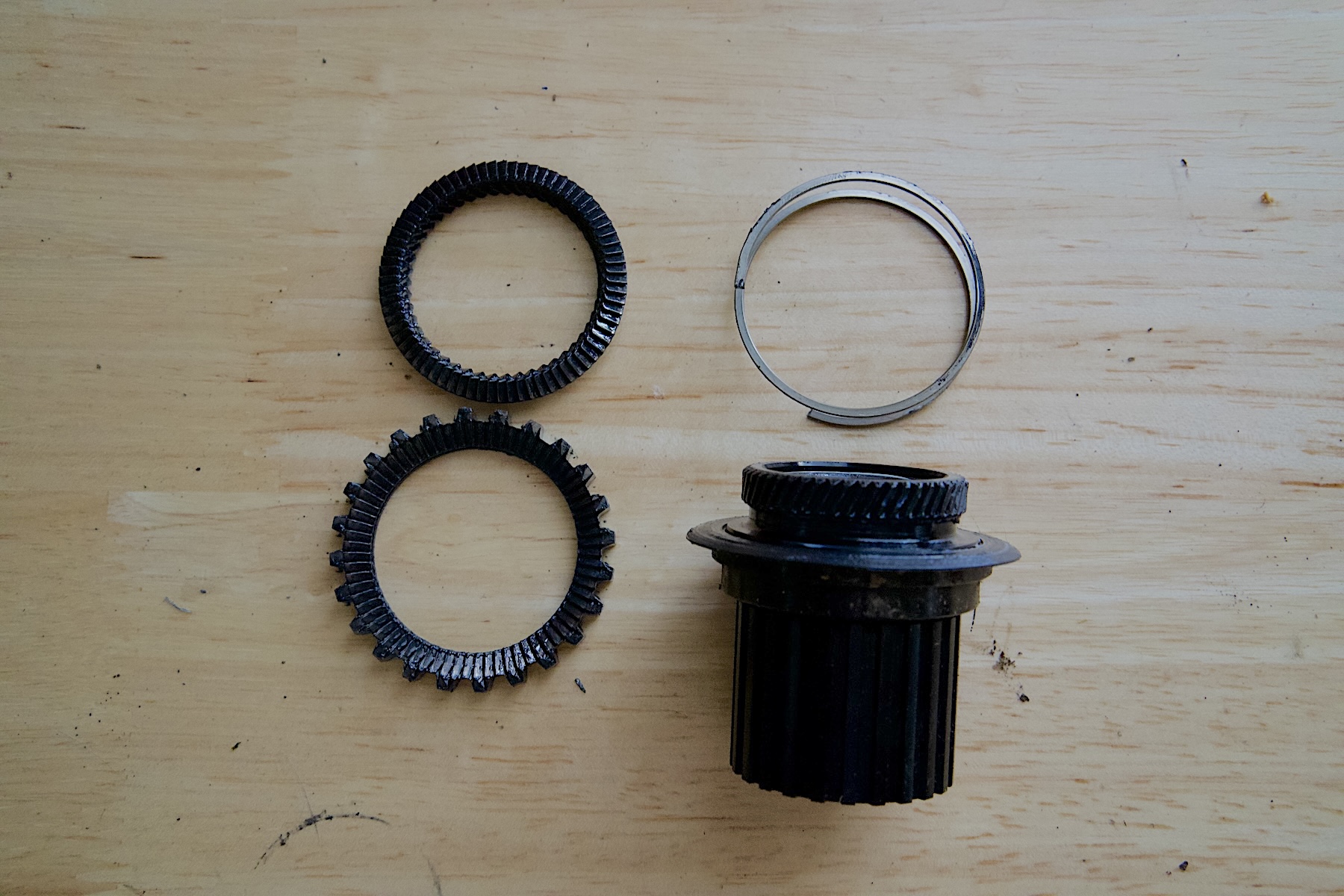
The driver is quite easy to disassemble and re-grease thanks to press-fit end caps and only a handful of parts. As with the Gradient i30 wheels (and Chris King hubs I’ve used in the past), the PRS ratchet starts off quite loud, but beds in over time and gets quieter with subsequent re-greasing.
Before we get into the on-trail performance, a quick word on weight: while there are a number of wheels in the XC realm that dip well below the weight of the KFX i28s, they’re in line with some other lightweight Trail wheels like the 1,620 gram Enve M6. Double-butted spokes and brass nipples add considerable weight over some other, more weight-focused options, but it’s a tradeoff I’ll take for longer-term dependability. Fortunately, the KFX i28 delivers on that front, while still being impressive on the trail, too.
Mounting & Installation
Unlike the Gradient i30 wheels we reviewed, the i28 wheels arrived pre-taped, which made installation that much easier. I haven’t had issues with any of the tires I’ve run from Maxxis, Specialized, or WTB, so there’s nothing strange to report back on there. All in all, no surprises when it came to setup.
It’s worth briefly noting that the 28 mm internal width of the KFX i28 is modestly slimmer than that of some other Trail wheels that tend to sit in the 30 mm width realm. Narrower rims tend to create slightly rounder tire profiles than wider ones, and I found the KFX i28 rims to work well with 2.3-inch-ish tires, but folks wanting to run especially wide tires should keep in mind that the KFX i28’s width may round them off a bit more than expected.
On-Trail Performance
The KFX i28 wheels say they’re XC-focused, but feel more like a Trail wheel in a lot of ways. There are a lot of good things that come along with that, but it impacts who I’d recommend them for.
I personally find tires to have a bigger impact on perceived rotating weight than slightly lighter or heavier rims; when it comes to wheels, while weight obviously matters, stiffness plays a pretty big role in perceived pedaling performance. Under power, the KFX i28s feel quite snappy and solid, with a laterally precise feel and solid-feeling hub engagement under hard pedaling efforts. That all added up to an encouraging, fast feel suited to short travel bikes.
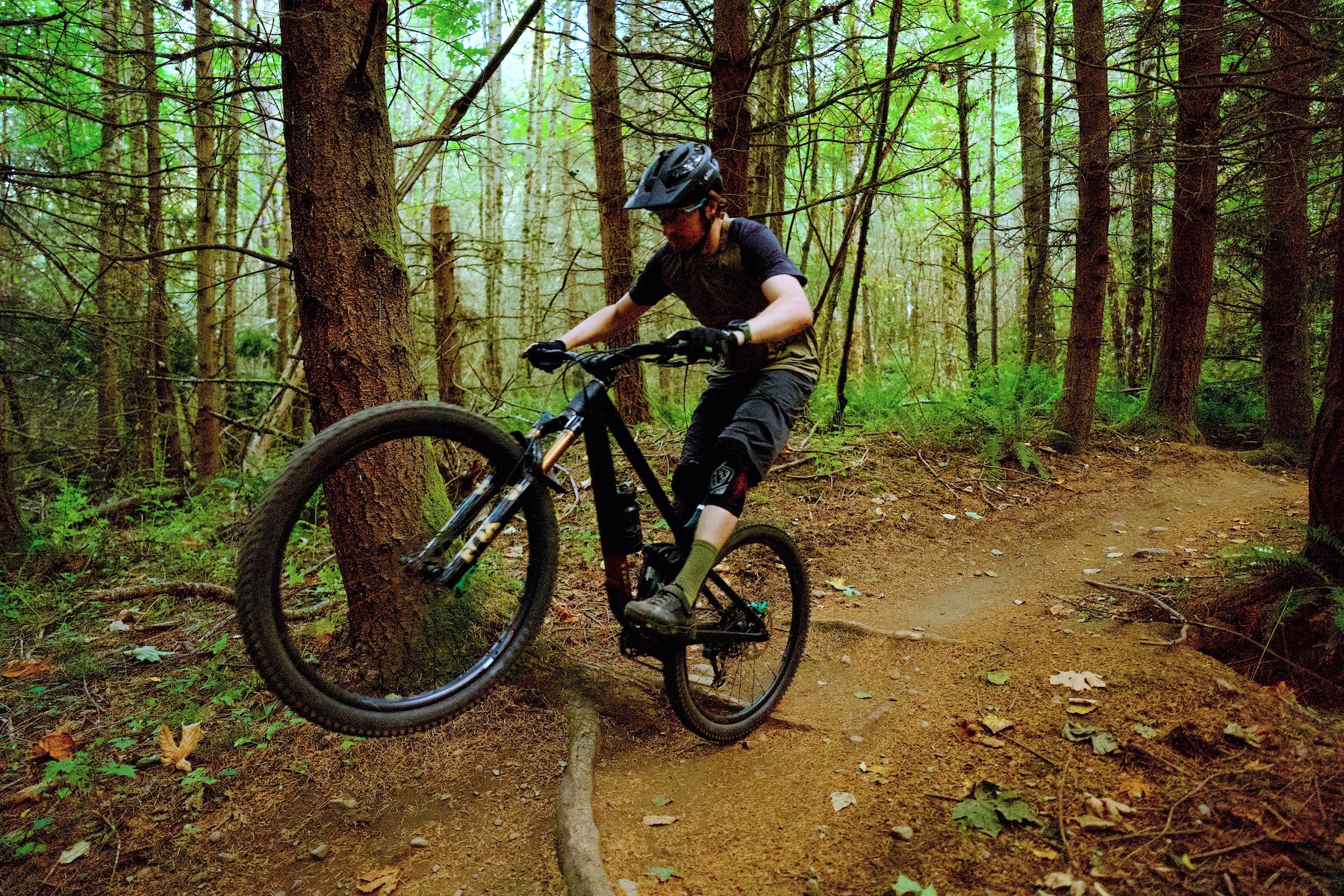
Whether it’s down to unwanted flex, materials and construction, or weight, I’ve historically found that ultralight wheels can feel a bit more jarring in how they transmit feedback to the rider than heavier ones. This is an area where the KFX i28s impressed me — they’re respectably lightweight, but feel fairly stout on technical descents, with enough stiffness to hold a line in rough terrain while resisting flexing and rebounding in unpredictable ways. They still don’t feel quite as damp as some of the more compliant wheels on the heavier Enduro side of the spectrum, but they still seem to filter vibrations well compared to others in their category. Tire selection has a lot to do with vibration damping, too, but I appreciated the KFX i28s’ ride feel across multiple sets of tires.
As someone who can’t help but take short-travel bikes into steeper and rougher terrain, I appreciated the strength of the KFX i28 wheels, too. I had more than a couple of moments, especially with thinner casing tires, where I knocked the rim off of roots and square-edged rocks. Despite the wince-inducing sound that resulted from those encounters, the KFX i28 rims remained entirely unscathed.
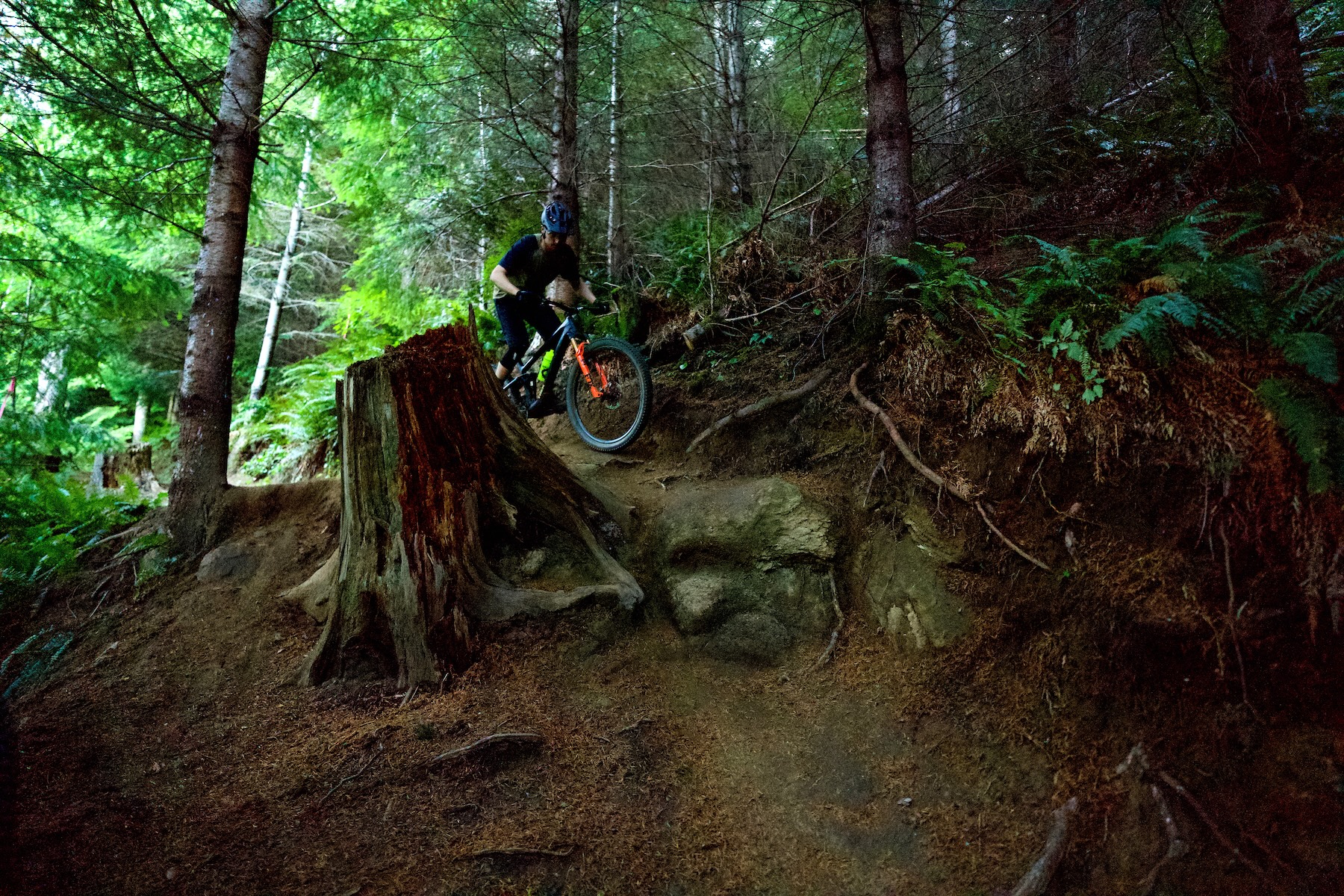
Between their weight, ride quality, and strength, I’ve ultimately concluded that the KFX i28s are best thought of as a lightweight, durable Trail wheelset rather than something aimed at XC racing. They can be pressed into racing duty and feel very responsive, but there are wheelsets on the market that can drop half a pound over the KFX i28s — and weight matters a lot for XC racing. As a day-to-day wheel for XC and Trail riding, the KFX i28 feels more at home, and I feel a whole lot more comfortable chucking the KFX i28 wheels down a long, technical descent than I would with a lighter wheelset.
Durability & Maintenance
The KFX i28 wheels are not some fragile XC wheel, and the rims have held up to several harsh impacts — made a touch more common than I’m used to by some of the thinner XC tires I’ve been testing. I haven’t had to touch the KFX i28s with a spoke wrench, though I admit that most carbon wheels I test these days are pretty good at holding tension. The mechanic in me is happy to see brass nipples regardless, though, as they tend to hold up better than alloy over the long term (especially in carbon rims, where galvanic corrosion of aluminum nipples can be an issue) and generally remain easier to turn for tensioning or truing.
As with the Gradient i30 wheels, the PRS X-900 hubs have held up well, with the bearings still turning smoothly. I’ve cracked open the rear hub a couple of times to re-grease the driver in my quest for a quieter hub, and while there is a touch more grime in there than there might be with some especially well sealed hubs (the OneUp hubs, Hope Pro 5, and Spank Hex are leaders there), the internals are holding up well, and the burly steel ratchets give me reason for confidence in the rear hub’s longevity.
Bottom Line
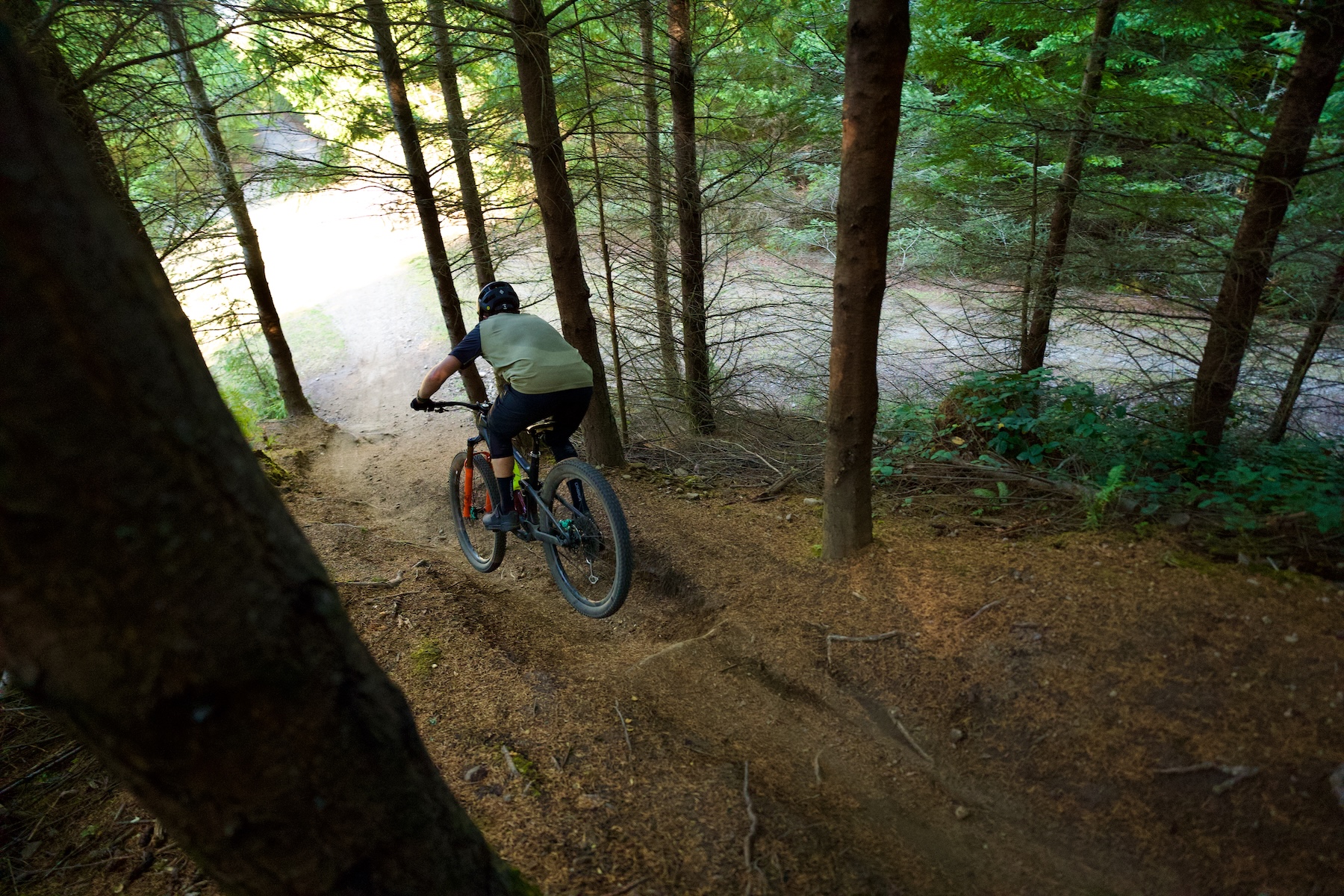
The KFX i28 wheels are another impressive example of FSA’s wheelbuilding capabilities. They’re not as featherweight as other XC race-focused wheels on the market, but they’re laterally stiff, surprisingly damp, and offer impressive strength. Rather than a race-bred XC wheel, I think of them as a lightweight Trail wheelset given their strength and snappy pedaling response. Regardless of where you want to place them, riders prioritizing dependability and responsiveness for XC / Trail riding should have the KFX i28 on their radar.
Huge props for the brass nipples! I have had to pay to relace a carbon wheel after 80% of the alloy nipples corroded and started breaking.