

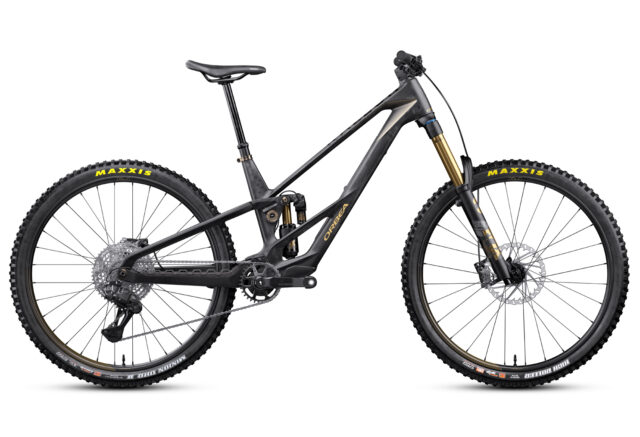
Orbea Rallon RS
Wheel Size: 29’’ front / 29’’ or 27.5’’ rear
Suspension Travel:
- Frame: 170 mm
- Fork: 180 mm
Geometry Highlights:
- Sizes offered: S, M, L, XL
- Headtube angle: 64.25° (adjustable)
- Reach: 478 mm (Size L)
- Chainstay length: 445 mm
Drive System Highlights:
- Motor: TQ HPR40
- Torque: 40 Nm
- Power: 200 W
- Battery: 290 Wh
- Remote: Orbea System Controller
Frame Material: Carbon fiber
Blister’s Measured Weight: 40.0 lb / 18.2 kg (Rallon RS LTD Mullet, size Large)
Price: Complete bikes $10,999 to $14,999
Intro
The eMTB world has mostly sorted itself into two broad categories — light assist and full power — but the new Orbea Rallon RS might just deserve a category all of its own. In fact, Orbea doesn’t even call it an eMTB — it’s listed under the standard mountain bike page on their website.
But the Rallon RS does have a motor and battery. They’re just very small and very low output. The TQ HPR40 drive unit was designed primarily for road and gravel bikes, and the Rallon RS is the only mountain bike I’m aware of to use it at this point. It’s also notably lower output than the other common light assist drive units out there, and it’s not particularly close. So, what is the Rallon RS, really, and who is it for? Let’s dive in.
The Frame
The Rallon RS looks a whole lot like the standard Rallon Enduro, which is kind of the point — the Rallon RS is meant to ride as much like the unassisted Rallon as possible. Packaging the TQ HPR40 drive system required a few changes to the details, but the overall lines and features of both bikes are extremely similar.
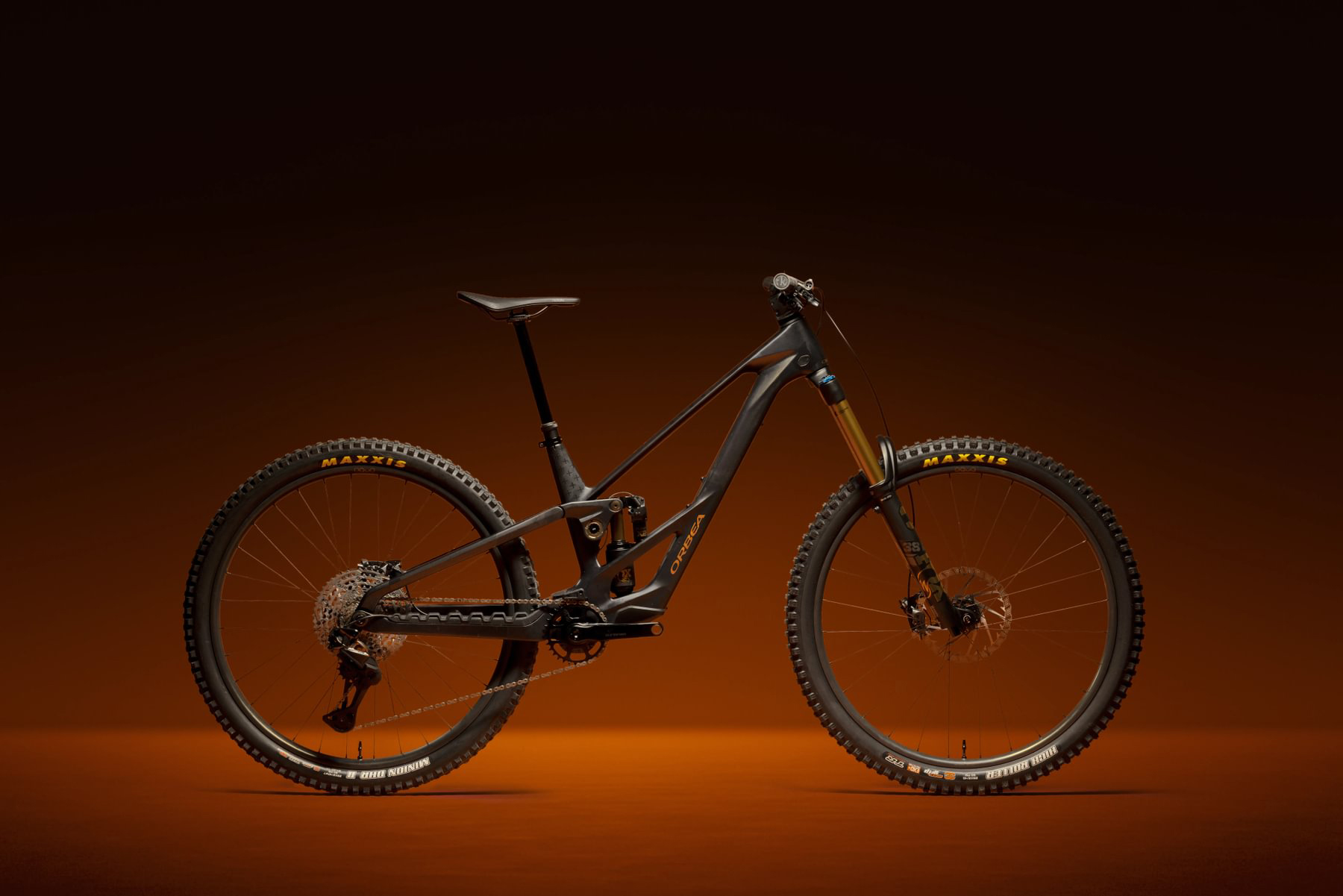
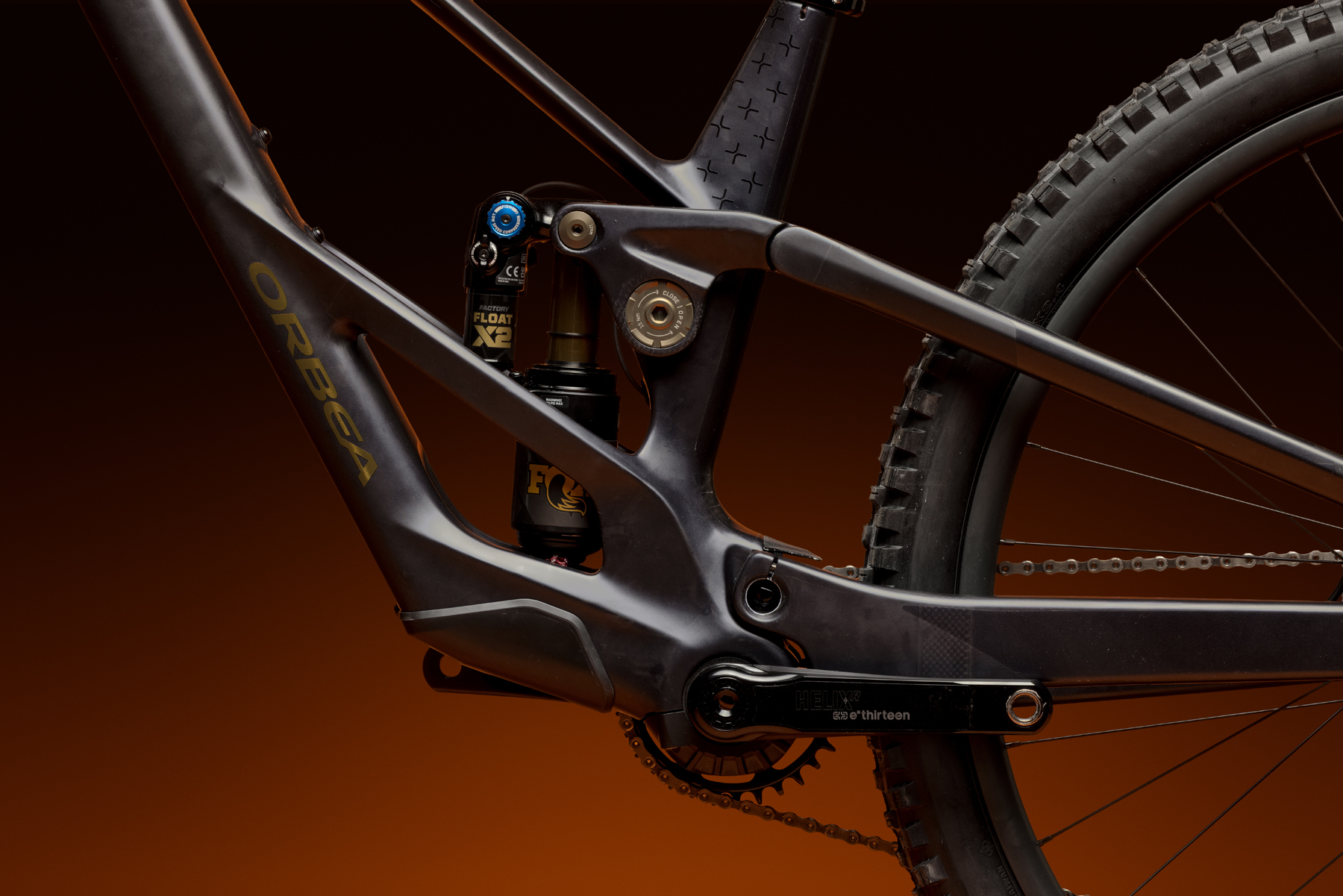
Putting a battery in the downtube means that the Rallon RS doesn’t get the in-frame storage of the Rallon, but they’ve both got 170 mm of rear wheel travel from Orbea’s typical linkage-driven single pivot suspension layout with a dropout-concentric pivot to reign in anti-rise, paired with a 180 mm fork. Their suspension kinematics are very similar as well. Both can be converted between mixed-wheel and full 29er setups, and feature a geometry-adjusting flip chip to toggle between high / steep and low / slack settings.
Other Orbea-standard features are here too, including a small multitool stored in the rocker link pivot (with 2, 3, 4, and 5 mm Allen keys), plus a 6 mm Allen and valve core tool stored in the rear axle. There’s ample rubber protection on the chainstay and seatstay, the option for headset or standard internal cable routing, and a short, straight seat tube to maximize the dropper post length available.
The biggest change to the Rallon RS, apart from the obvious inclusion of a motor, is that the drive system doesn’t leave room for the swappable “Gravity Link” (i.e., the lower shock mount) on the standard bike. Wheel size changes are instead accomplished by swapping between two different wheel-size-specific rocker links (the alternate option can be added for an extra $265), and there’s no room to DH-ify the Rallon RS with a longer shock and alternate Gravity Link, as there is on the Rallon.
Drive System & Electronic Integration
The Rallon RS uses the TQ HPR40 drive system — one of the smallest, lightest, and lowest-output options available. Again, the idea here was to make a bike that rides as much like the regular Rallon Enduro as possible, just with a little bit of assistance on the way up. The HPR40 offers a peak output of 200 Watts and 40 Nm of torque. The Rallon RS pairs the small motor with a modest 290 Wh battery to help keep the weight down, and the ride feel as “normal” as possible. A 160 Wh range extender is also available.
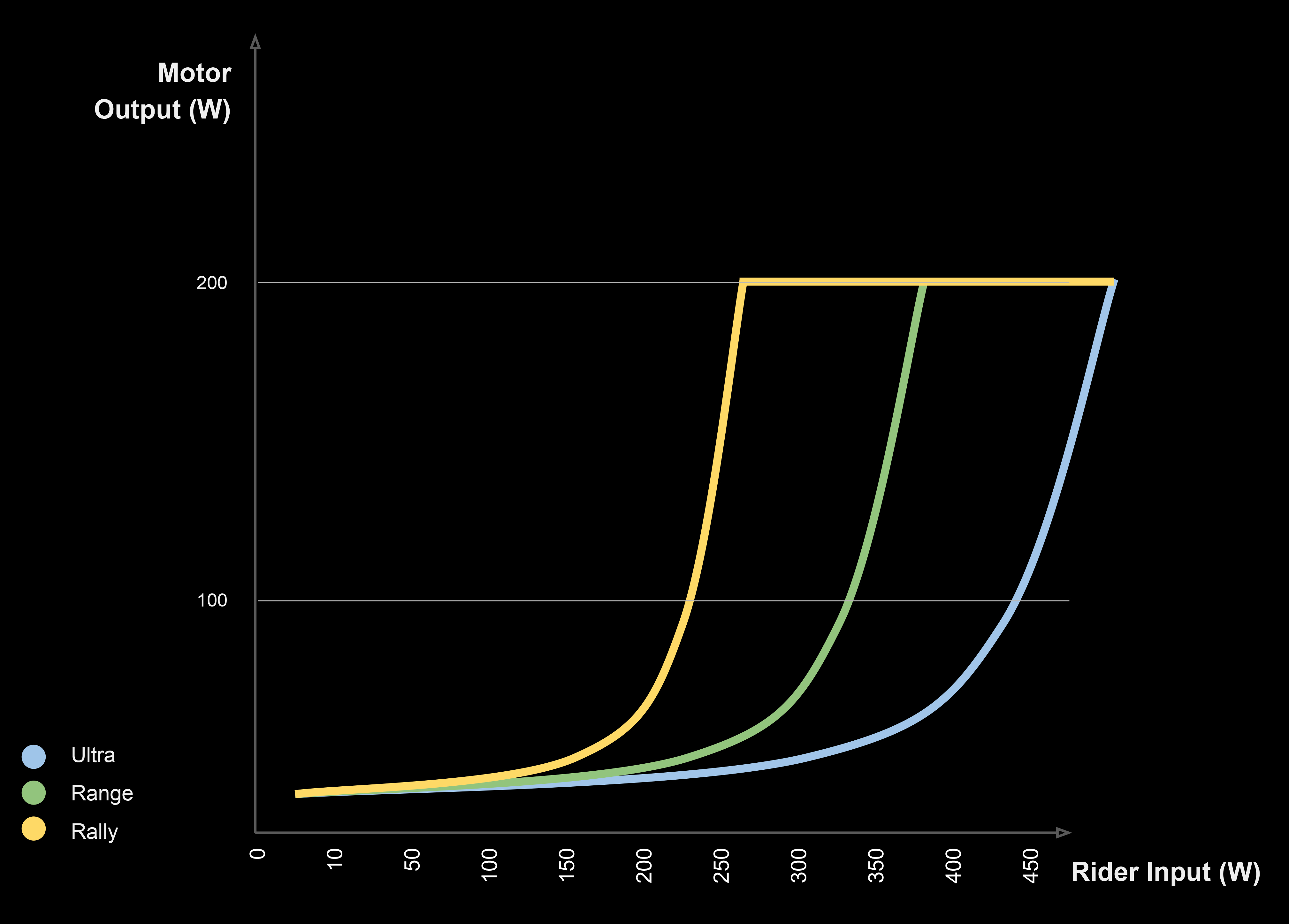
By default, the Rallon RS has three assistance modes: Rally, Range, and No Assistance (i.e., derailleur, seatpost, and shock powered, but no motor). An additional Ultra mode — the lowest output option that still provides some assistance — can be enabled if desired.
All three assistance modes (No Assistance excepted, obviously) can provide the peak 200 W output; the difference is in how much power you need to put down to get there. Even in Rally, it takes about 230 W of rider power to get 200 W of assistance; those numbers bump up to ~360 W in Range and ~450 W in Ultra.
The power delivery is also decidedly non-linear. Even in Rally, the amount of assistance provided is minimal until you hit an inflection point just under 200 W of rider output, and it ramps up quickly from there. That upswing happens at about 300 W in Range, and 400 W in Ultra. As Orbea puts it, the idea was to make the Rallon RS “rider dominant” rather than “motor dominant.” There’s some real assistance to be found, but you need to work for it.
The HPR40 also differs from most eMTB drive systems in that it’s a single-clutch design, with the chainring attached directly to the crank. The upshot is that any time the motor is turning, the crank is, too. As such, there’s no overrun feature — power cuts as soon as you stop pedaling. That also means that Shimano’s Free Shift feature, wherein the motor pulses to turn the chain and allow you to shift while coasting, isn’t an option here.
“Integration” is an all-too-common buzzword when it comes to bike design, and often refers to features of dubious value (e.g., headset cable routing), but Orbea has done some interesting and genuinely novel things on that front. The motor, derailleur, dropper post, and (optional) rear shock are all powered off the main frame battery, and can communicate with each other in some interesting ways. That integration also allows you to control an especially wide array of features through the handlebar-mounted motor controller / dropper post lever.
The Rallon RS’s various electronic features are all controlled (and displayed — there’s no separate screen in the top tube as on many other eMTBs) through the impressively compact controller. There’s a lot to cover here, so we’ll break it down bit by bit.
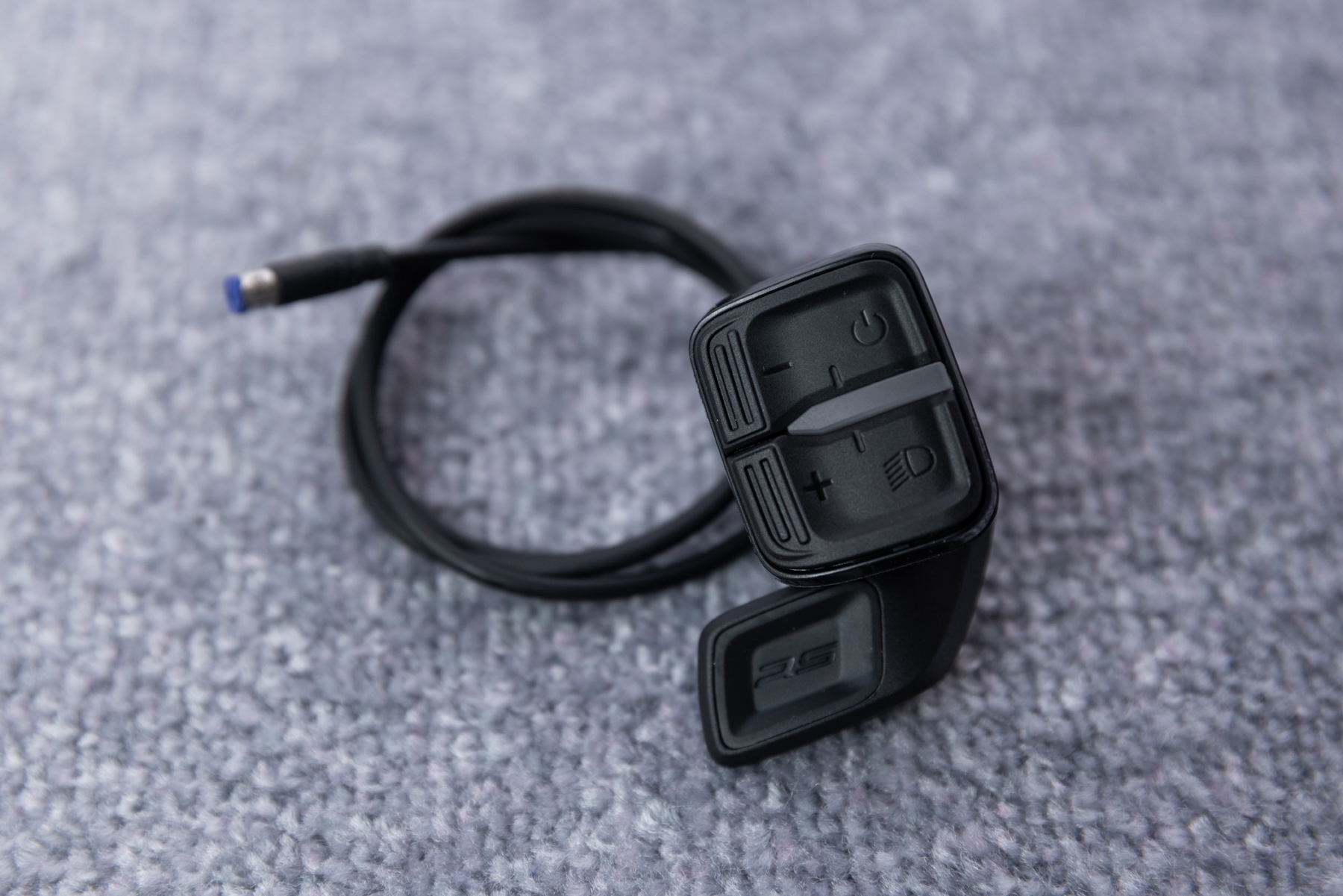
First off, you have the basic motor control functions you’d expect from any drive system — chiefly assist level and battery capacity. You can toggle between assist modes using the up and down buttons, with a central LED bar indicating the chosen setting, and the remaining battery capacity is shown with a five-bar LED strip at the top.
Orbea has pulled some clever tricks to get the most resolution out of a five-bar LED indicator. Each of the five bars lights up blue when its given band is full, then changes to white once it reaches the halfway mark. (E.g., four blue bars and one white one means there’s 90% battery left; four blue bars with the fifth bar off means 80%, and so on.)
Once you hit 20%, the bars reset, but change to red. Five red bars indicates 20% battery; four means 15%, three 10%, two 5%, and one 2%. Once you hit zero, the motor shuts off, but 15 Wh of capacity remain for powering the derailleur, shock, and seatpost.
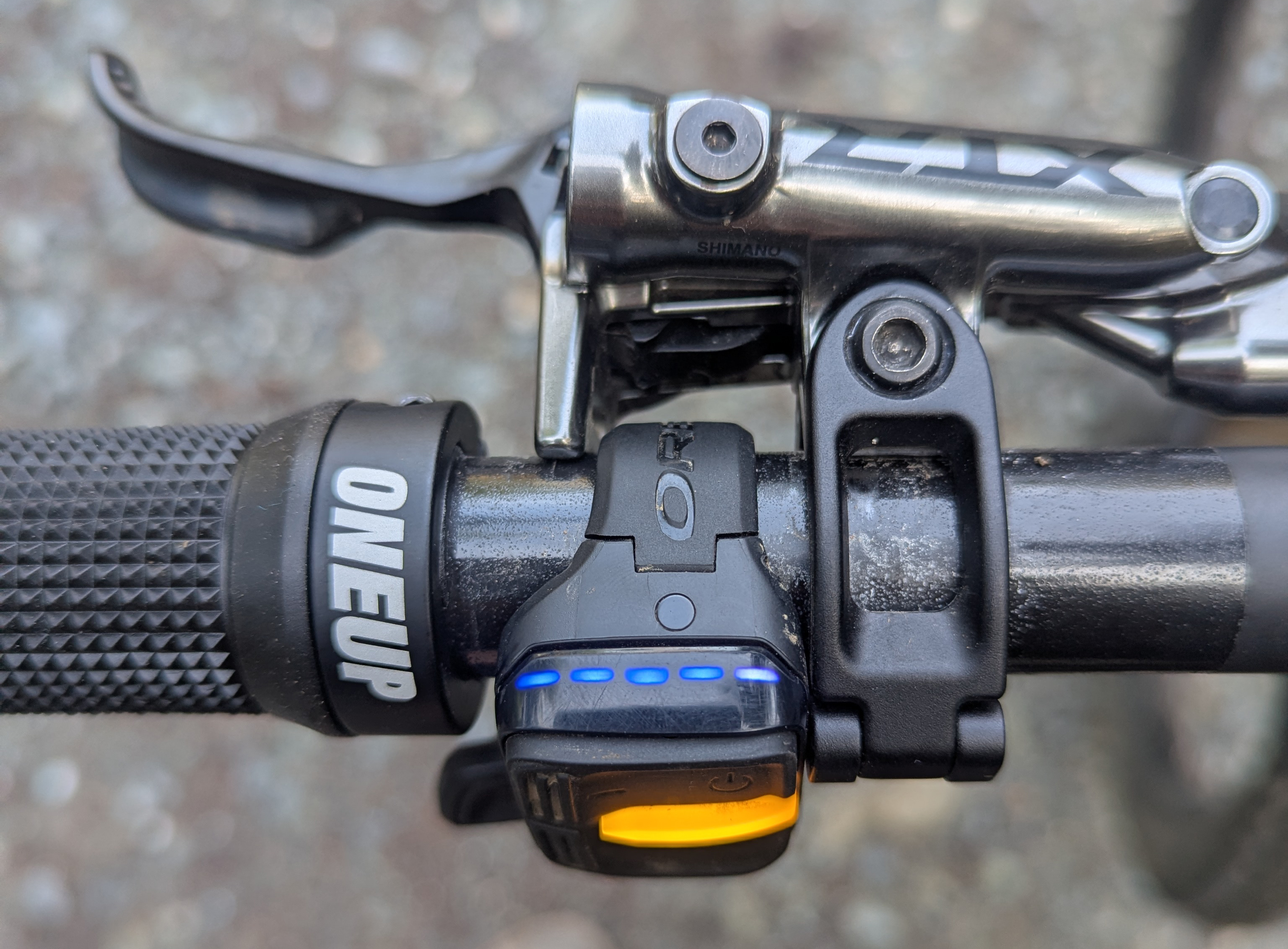
The dropper is actuated by another paddle on the controller, placed similarly to a typical dropper lever. It’s got two modes (selectable on the controller): “Classic” mode, wherein it works just like a conventional dropper, and “Smart” mode, which adds some additional functionality.
In Smart mode, if you press the dropper lever once quickly, the post remains open until it hits either the top or bottom of its travel (i.e., you don’t need to hold the lever while the post is moving — it remains open until the post detects that it’s at either end of its range). If you press and hold the lever, it still works normally, letting you set it anywhere in its range. And, finally, if you double-press the remote quickly, it’ll stop and lock itself at a pre-determined height, which you can program in the phone app. You still need to sit on the post to lower it — its movement isn’t powered in that sense — but since it’s got a position sensor, it can close the valve and lock the post automatically at a certain height.
The remote also controls the Fox Live Valve Neo shock (if so equipped; more on that in the Builds section, below). You can toggle between three “tunes” for the shock from the remote; in this case, “tunes” refer to sets of parameters used to determine when the shock is open and when it locks itself out, not actual damper tunes in the conventional sense. The tunes can be programmed through Fox’s Live Valve Neo app; see our review of the DHX Live Valve Neo for a lot more on that. The wired connection between the shock and motor also means that the shock can take cadence into account when determining whether or not to open up the shock.
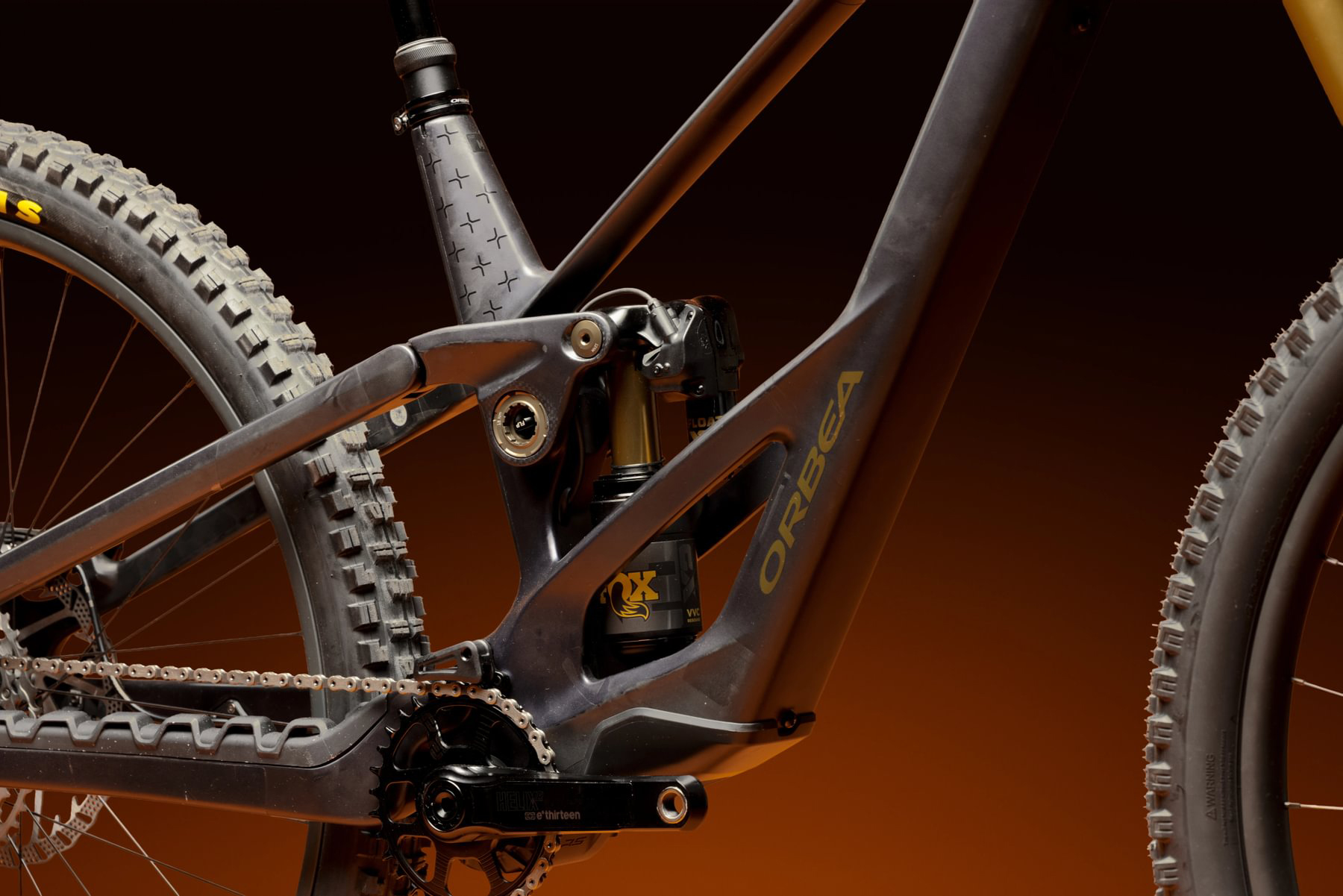
And, finally, you can enable or disable “Descend Mode” through the controller. Descend Mode turns off the motor in situations where (1) the seatpost is lowered, (2) the bike is pointed downhill, as measured by the Live Valve Neo bump sensors, and (3) the cranks aren’t turning. That prevents the motor from engaging and surging the bike unexpectedly. Running the wired version of the Live Valve Neo shock that comes with certain builds is required for Descend Mode to function.
The remote is wired, with the cable routed through the headset and handlebar by default. There’s a connector where the remote wire emerges from the bar, so you can disconnect it to remove the bar; you could also route it externally with some tape, zip ties, or similar if you’d prefer to use a different bar.
Fit & Geometry
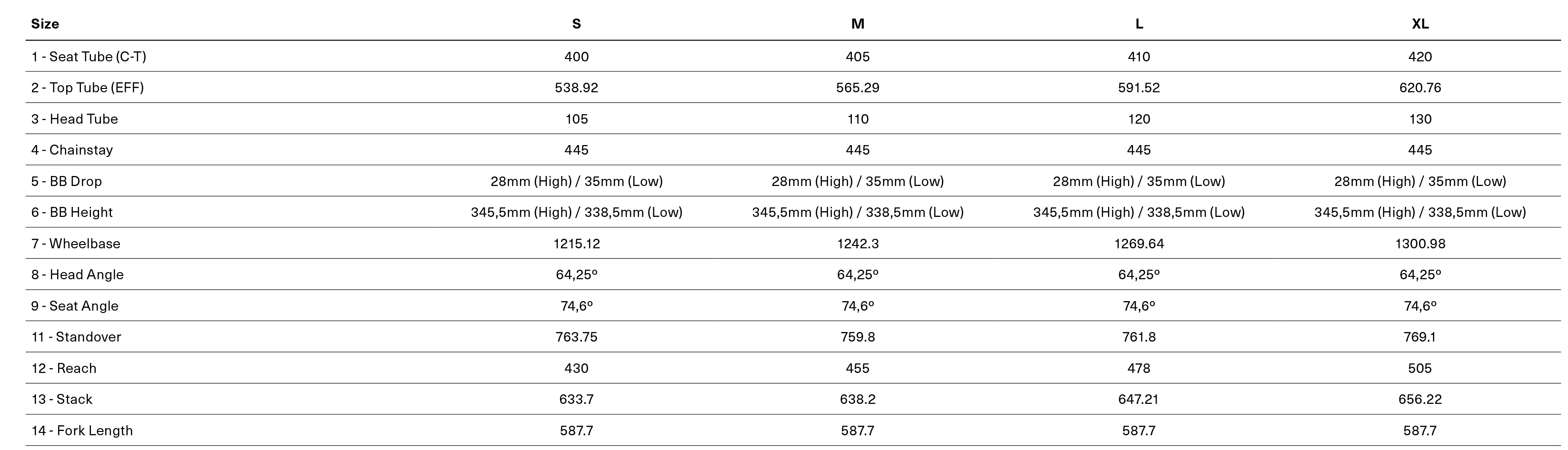
The geometry of the Rallon RS is similar, but not quite identical to the standard Rallon Enduro’s numbers. The main difference is that the standard Rallon is offered with two different options for chainstay length, 442 and 450 mm; the Rallon RS (sort of) splits the difference and gets 445 mm ones across the board, with no other options.
Otherwise, they’re extremely similar. The headtube angle is 64.25° in the high position on both (63.75° in low), reach and stack figures are pretty much the same (the Small Rallon RS gets a 5 mm taller head tube a little extra stack than the standard Rallon), and their seat tube angles and effective top tube lengths are about the same, too. (The published seat tube angle for the Rallon RS is slacker, at 74.6°, vs. ~79° on the standard one, but Orbea says that’s just a mixup where the Rallon RS’s number is the actual seat tube angle and the figure for the Rallon is the effective number. They’re nearly identical in both actual and effective angles.)
Both bikes also come with a second set of headset cups that allow for +/- 0.75° of headtube angle adjustment.
The full geometry chart can be found below:
The Builds
Orbea offers two builds on the Rallon RS, and they’re both quite fancy (and correspondingly expensive). The main differences are that the top-tier Rallon RS LTD gets a Shimano XTR Di2 drivetrain instead of the XT one on the Rallon RS Team, and a Fox Float X2 Live Valve Neo shock (which, notably, isn’t available elsewhere yet) instead of the standard Float X2 Factory on the Team build.
The Float X2 Live Valve Neo works mostly the same as the Float X and DHX versions that have been out for a couple of years now, just based around the architecture of the new Float X2, and with a wired connection to the main battery on the bike rather than a standalone one. (Check out our review of the DHX Live Valve Neo for a lot more on that.) The Float X2 Live Valve Neo also loses the high-speed compression adjuster of the standard version.
The Rallon RS LTD also gets a spec and price change between the 29er and Mullet configurations. The 29er gets Orbea’s own MC32 LTD carbon wheels, which aren’t available in a mixed wheel setup; the mullet configuration therefore gets the same MC32 Team aluminum wheels as the Team build, and is $800 cheaper than the 29er for it.
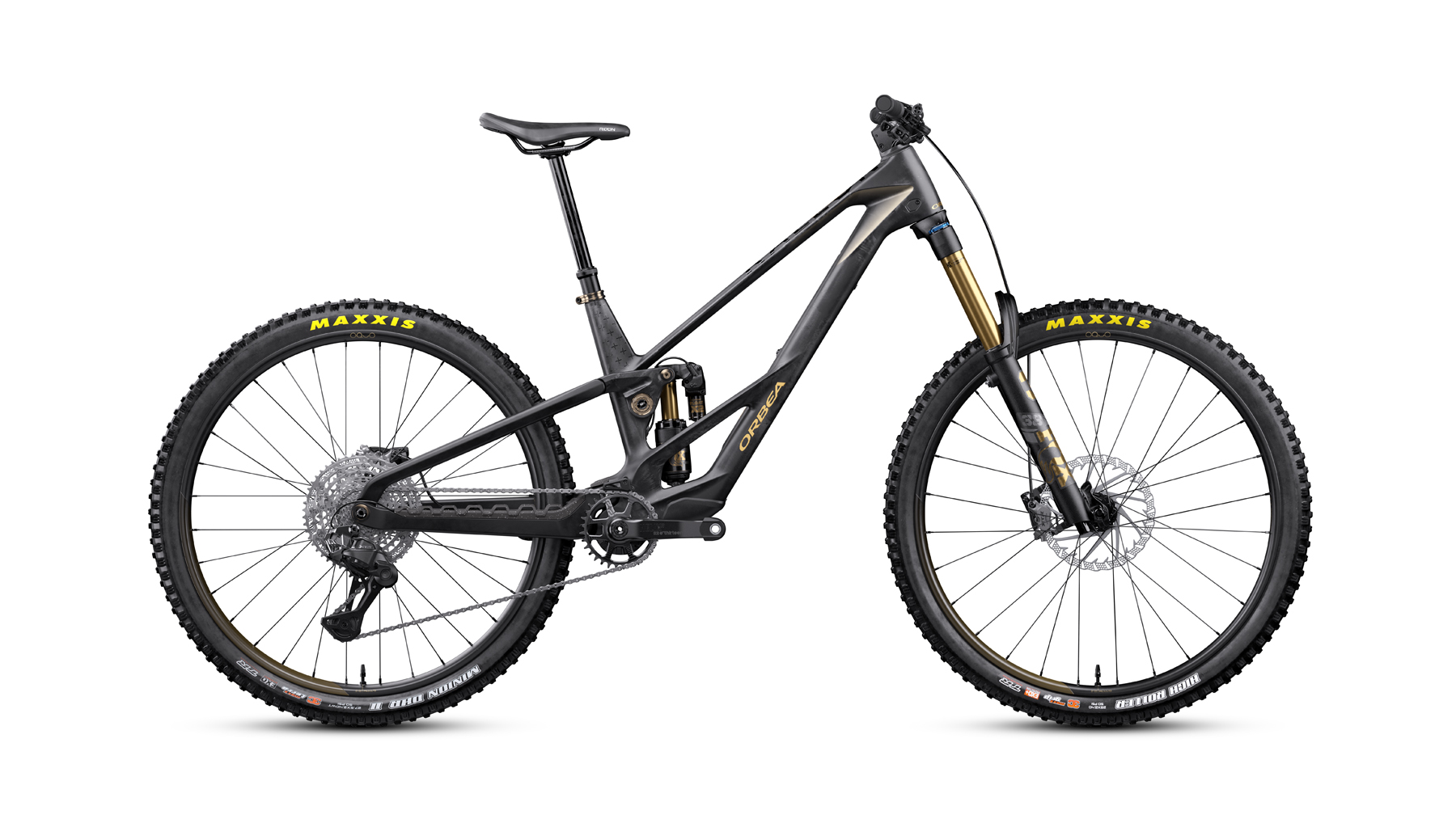
You can upgrade the Team build to include XTR brakes and/or the Live Valve Neo shock in the MyO configurator if you want to split the difference. The MC32 LTD carbon wheels are also available as an upgrade on the Team 29er build. You can also select custom paint and some other component details in the MyO configurator, including seatpost length, bar rise, stem length, and tire spec.
The full build details are as follows:
Orbea Rallon RS Team ($10,999 USD):
- Drivetrain: Shimano XT Di2
- Brakes: Shimano XT M8220
- Fork: Fox 38 Factory Grip X2
- Shock: Fox Float X2 Factory
- Wheels: Orbea MC32 Team
- Dropper Post: OC Mountain Control MC10 eDropper
Orbea Rallon RS LTD (Mullet: $14,199 / 29er: $14,999 USD):
- Drivetrain: Shimano XTR Di2
- Brakes: Shimano XTR M9220
- Fork: Fox 38 Factory Grip X2
- Shock: Fox Float X2 Factory Live Valve Neo
- Wheels: Orbea MC32 LTD Carbon (29er) / Orbea MC32 Team (Mullet)
- Dropper Post: OC Mountain Control MC10 eDropper
Some Questions / Things We’re Curious About
(1) How close does the Rallon RS really get to riding like a normal Enduro bike, just with a little bit of assistance on the way up?
(2) With a small battery but an efficient, relatively low-output motor, what is the Rallon RS’s range like? Orbea claims about 1,200–1,800 meters (~4,000 to 6,000 feet) of elevation on a charge, but is that borne out?
(3) What kinds of other bikes will the Rallon RS realistically keep up with on a group ride (and which ones will it leave in the dust)? It seems unlikely that it’ll have much cross-compatibility with full-power eMTBs, but what about other (not quite so) light assist models? Or regular mountain bikes?
(4) How do all the electronically-integrated parts work with each other, and how much does all the functionality they add really impact the ride experience?
Bottom Line (For Now)
There’s not really anything else like the Rallon RS on the market — it’s the only mountain bike I’m aware of to use the TQ HPR40 drive system, to say nothing of all the other electronic wizardry and the so-far-Orbea-only Fox Float X2 Neo Live Valve shock. We’ve started spending time on the Rallon RS to find out how that all comes together on the trail, and you can check out our thoughts so far in our Flash Review, linked below.
Flash Review: Our Initial On-Trail Impressions
BLISTER+ members and those who purchase our Digital Access Pass can check out the Flash Review below to read our initial on-trail impressions. Get our Digital Access Pass to view all our Flash Reviews and Deep Dives, or become a BLISTER+ member today to get access to that and a LOT more, including the best worldwide Outdoor Injury Insurance, exclusive deals and discounts on skis, personalized gear recommendations from us, and much more.
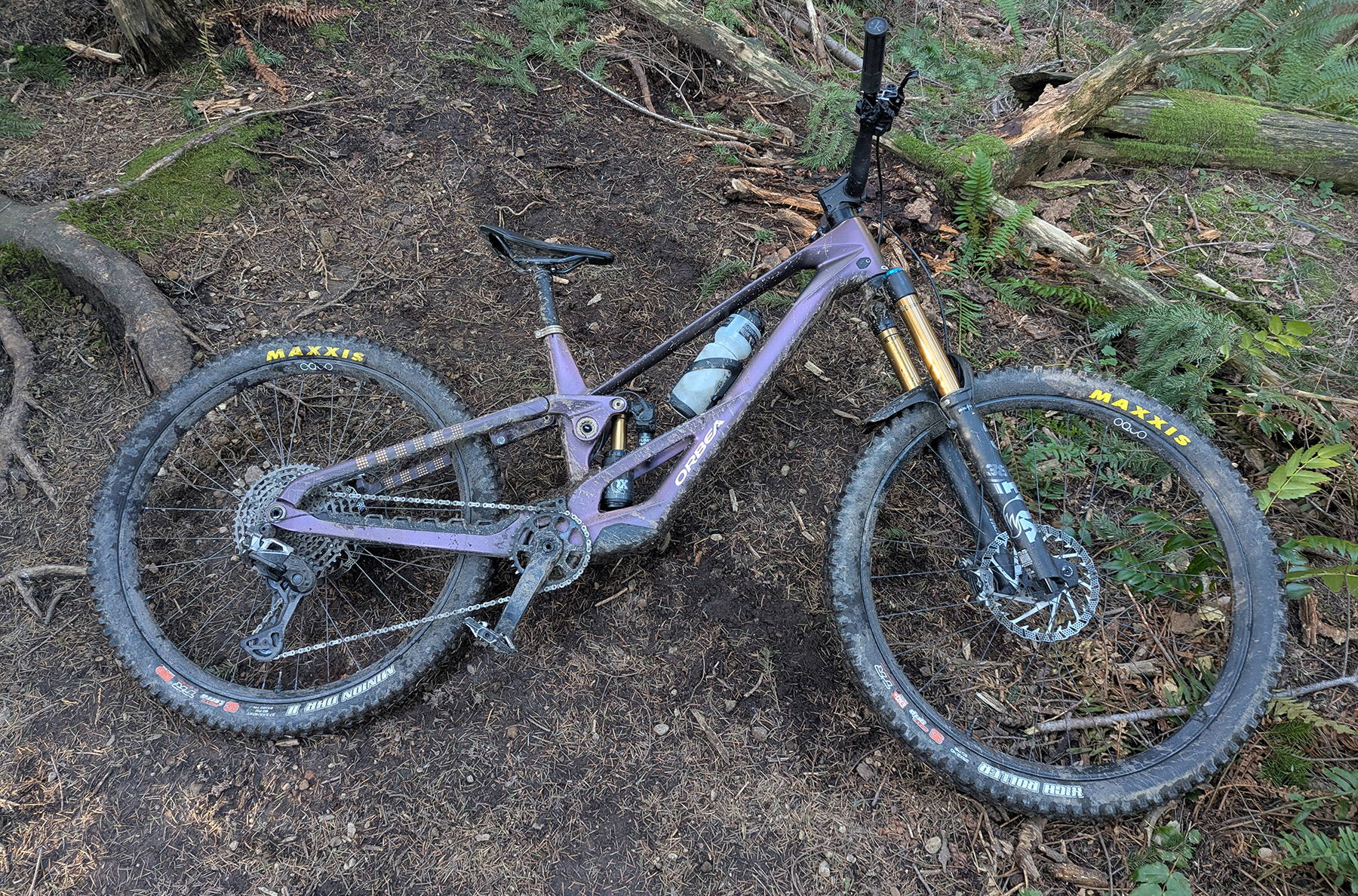
Flash Review: Orbea Rallon RS
The Orbea Rallon RS doesn’t have any real peers on paper, and its on-trail performance bears that out. Here’s our take so far.
Blister’s Flash Reviews and Deep Dives are accessible to those who purchase one of our paid subscriptions
To get our comprehensive Deep Dives and our initial, unfiltered reports on new gear, become a member and receive many other services, deals, and discounts.
If you’re already an active member, please log in.
(If you’re already logged in and a member in good standing and seeing this message in error, please refresh this page in your browser.)