

Intro
Most of our reviews are pretty long — and take a long time to produce — because we want to provide enough info for you to actually determine whether the gear we tested will work well for you.
But we get asked to check out an increasingly wide range of products, and sometimes, we just want to tell you about something we’ve been using and loving lately.
So that’s where this monthly series — Stuff We Like — comes in, where we keep you current on a broad range of stuff we’re currently digging. Check out this month’s submissions, and let us know if there’s any gear you’ve been loving!
Outdoor Research Women’s Coze Down Parka
MSRP: $445
Kristin Sinnott (5’8”, 130 lbs / 173 cm, 59 kg): Heading into my third winter in Crested Butte, I knew I wanted an extra-warm, long, insulated jacket. My closet is already overflowing with insulated layers, but what I was missing was something truly long — a jacket that would keep my legs warm while standing still for extended periods. And for me, nothing is colder than watching my son play hockey: late afternoon, in the shade, next to an ice rink. Brr.
I’ve been wearing Outdoor Research’s Women’s Coldfront Down Hoodie for the past few winters and have really liked its fit, feel, and warmth, so when I started looking for a longer insulated option, OR was my first stop. For reference, I wear a Small in the Coldfront, but I opted to size up to a Medium in the Coze. Both sizes work well for me, but the Medium gives me room to add extra-thick layers underneath without the jacket ever feeling snug.
The Coze Down Parka uses 700+ fill down insulation and features a roomy, adjustable hood, a soft chin guard, and a high collar that’s comfortable even when fully zipped. The full-length design makes a noticeable difference when temperatures drop, and movement is minimal.
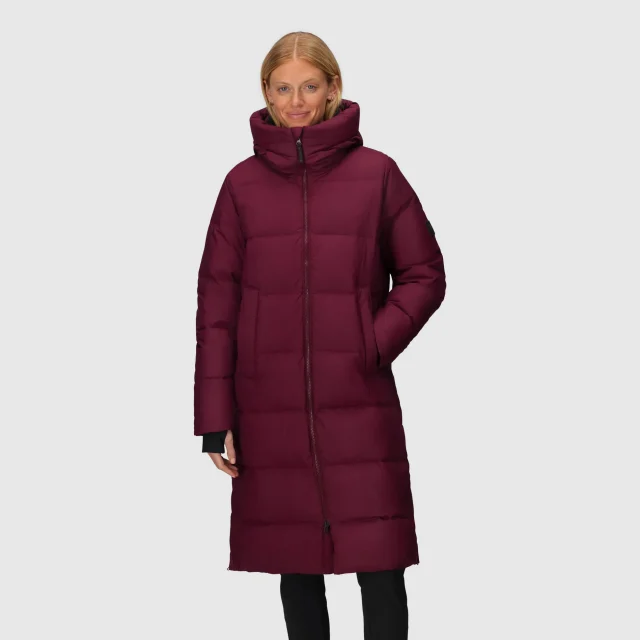
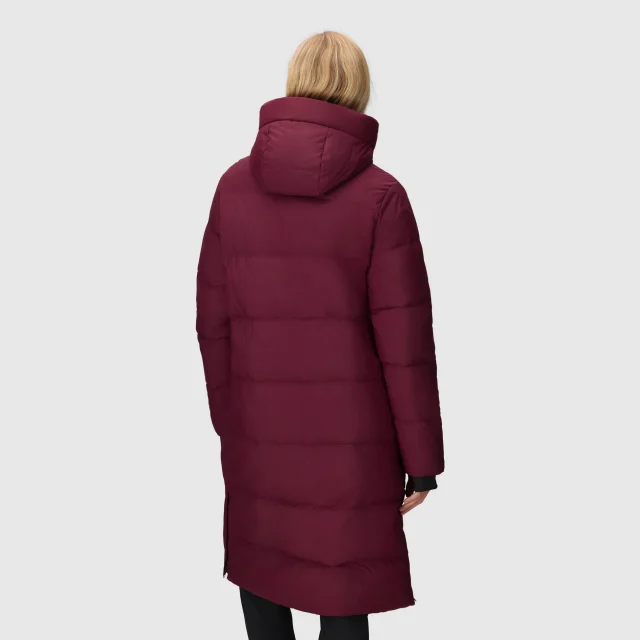
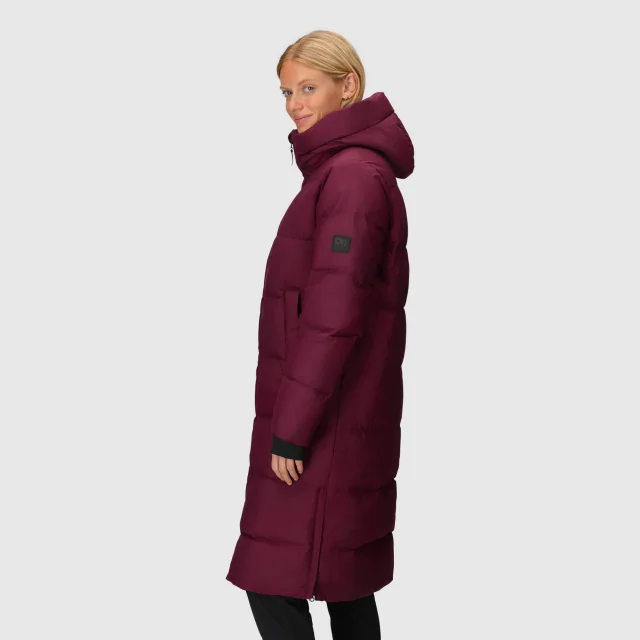
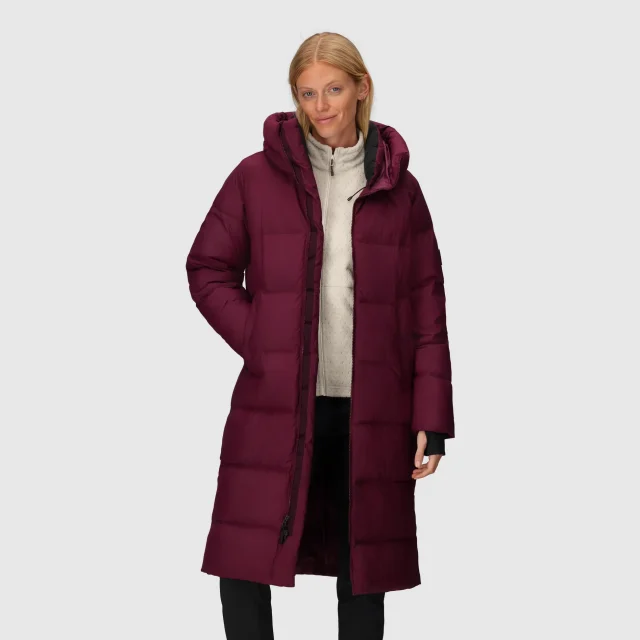
I also appreciate the thoughtful details, like the side zip and the double front zipper, which lets me open up the lower portion of the jacket for easier movement when walking, driving, or wrangling kids’ gear.
We haven’t exactly had a wet winter in Crested Butte, so testing the weather resistance has been a bit limited. That said, I’ve worn the Coze while snowblowing multiple times, including in windy conditions where snow was blowing straight back into my face. I was able to hunker down into the collar and hood, and the fabric never wet out — a good sign for a jacket that’s clearly designed for cold, everyday use. The Coze has kept me warm this winter, from early morning gym commutes to hockey spectating to school drop off and pick up.
Snow Peak Hybrid Wool Coach Jacket & Trousers
MSRP: $197 (Jacket; sale price as of publishing) $229 (Trousers)
Luke Koppa (5’8”, 155 lbs / 173 cm, 70 kg): I’ve been a fan of Snow Peak’s apparel ever since I first discovered they made clothing (and not just high-end Titanium cookware). I’ve picked up a few vintage pieces over the years, and I’ve consistently been impressed by the quality and unique aesthetics, which I happen to love.
We’ll be talking more in-depth about Snow Peak’s new “Mountain of Moods” ski / snowboard outerwear in the future, but here, I wanted to touch on two of their more casual pieces I’ve been able to try.
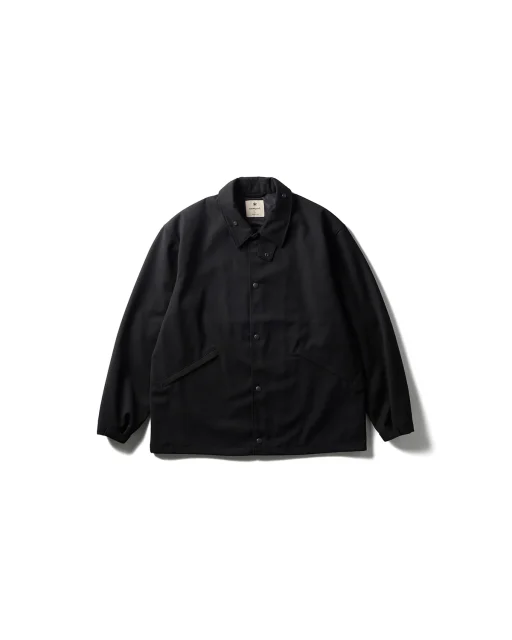
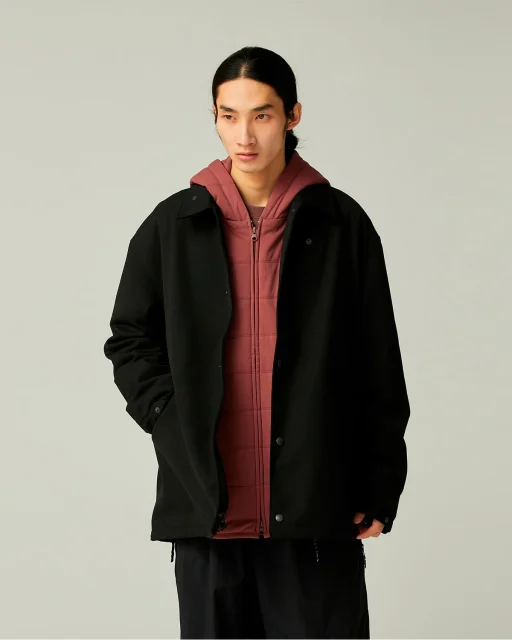
The Hybrid Wool Coach Jacket & Trousers use a heavy but surprisingly supple 50% wool / 50% polyester twill fabric. It’s warmer than most cotton fabrics, but still very airy / breathable, making it great for transitioning between warm indoor rooms and chilly outdoors. I haven’t found it particularly itchy, but wool-sensitive folks should probably look elsewhere.
Mostly, I just love the look of both these pieces. They have just enough of Snow Peak’s Japanese style to stand out — from the subtle knee darts on the Trousers to the very sleek overall aesthetic of the Coach Jacket. But I also think they’d still fit in just about anywhere.
They’re both cut with pretty relaxed fits. I have both in a size M, and they work great for me. The Coach Jacket leaves plenty of room to comfortably toss it over a midlayer, but it doesn’t feel super baggy on its own.
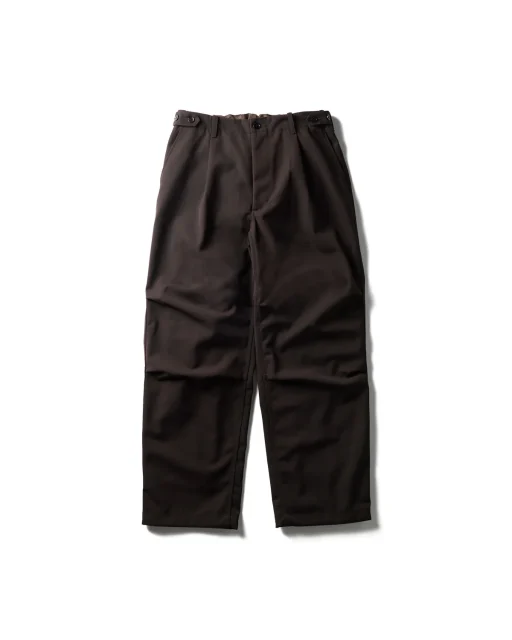
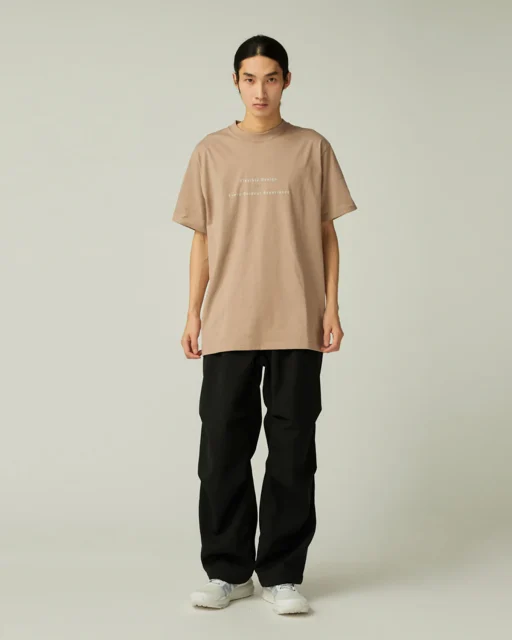
The size M Trousers are just a tad tighter through the waist than I’d prefer (I usually wear a size 32 waist for pants); since the pants have waist buttons that allow you to tighten them there, if you’re caught between sizes, I’d recommend sizing up. In terms of length, I’d say the size M Trousers fit like a 32” inseam. Other notable features include the Trousers’ drawstring cuffs, which let you keep them loose and baggy, or cinched tight.
These pieces are more expensive than what I’d normally consider for my personal casual wardrobe, but the overall quality seems in line with their price tags (the Coach Jacket happens to be on sale when I’m writing this).
My one complaint: the seam finish in the crotch area of the Trousers. While I don’t find the Hybrid Wool fabric itchy or uncomfortable, I quickly discovered that the seams making up the crotch gusset can lead to some pretty significant chaffing on my inner thighs. In future iterations, I’d love to see Snow Peak add some binding to cover those seams, or a lining.
Fillo’s Walking Tamales
MSRP: $27 (7-pack)
David Golay: I like going on long rides with a lot of elevation gain. I’m also really bad at getting myself to eat enough on those bigger days out. At least part of the problem is that I just don’t have a big sweet tooth, and a lot of the easy, portable, readily digestible trail snack options are pretty sweet.
So, I’ve become a huge fan of Fillo’s Walking Tamales as trail food. They’re individually-packaged mini tamales that don’t require refrigeration before they’ve been opened, and they’re genuinely very good. I’m not well enough versed in sports nutrition to have any real opinion on how optimal they are from that standpoint, but I’m not trying to let perfect be the enemy of good here. Anything that’s easy to get and transport, is calorically pretty dense, and that I actually like eating on the trail is a win, and the Walking Tamales are working great for me.
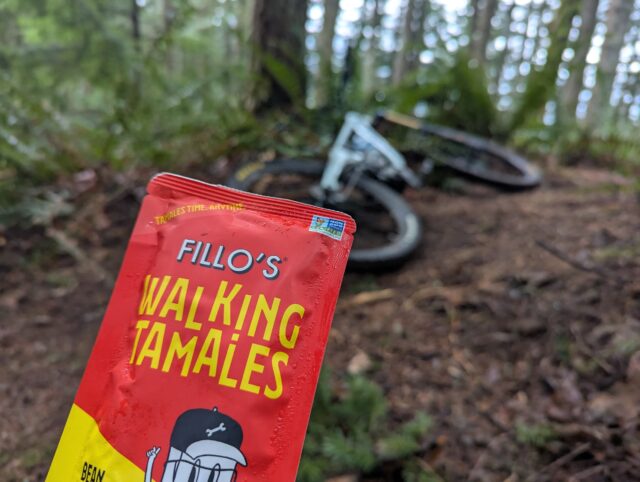
The savory tamales are $27 for a seven-pack on Fillo’s website, but are regularly available at a lot of supermarkets for more like $2.50-$3 each; shipping is “free” from Fillo’s site, but (per usual) that really just means that it’s baked into the base price. They’ve also got a few sweet flavors that are a bit cheaper, but I haven’t tried those. I’m personally partial to the Bean Salsa Habanero flavor, but also quite like the Bean Salsa Roja.
(The habanero ones are a little spicier, but not by as big a margin as the pepper ratings on the packaging might suggest. They’re spicy, but not crazy hot by any stretch.)
Booster Strap Expert / Racer Strap
MSRP: $51.99 USD
Zack Henderson: I’m still skiing a pair of older Tecnica Cochise 120s that have softened up a bit, but the fit on them is so dialed that I’m hesitant to give them up. A liner swap last year gave them a boost of additional life and stiffened things up a bit, but as someone with skinny calves, the precise initial fit of those liners has worn off a bit, leaving me wanting a snugger fit and better response through the cuff.
My local bootfitter (shoutout to the guys at Backcountry Essentials in Bellingham, WA) recommended giving a Booster Strap a try as a fairly inexpensive way to give me a more precise feel. I opted for the middle-of-the-road Expert / Racer strap, which sits in the middle of their range (the World Cup strap is stiffer, while the Intermediate one is softer). A nylon strap is mated to a three-layer elastic section that wraps over the shin, and that woven nylon strap is then secured by a burly metal cam buckle. That metal cam buckle allows the strap to be cranked down quite firmly, delivering the more precise fit through the cuff that my chicken legs require.
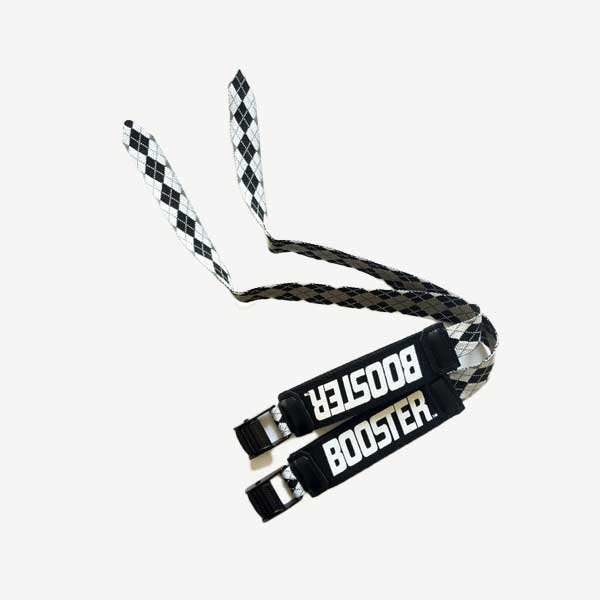
Mounting the strap required drilling out the rivets that secure my stock strap, then using the supplied mounting screws and washers. While it was a little intimidating to take a drill to my boots, the performance with the Booster Strap has been night and day. The Booster Strap can be tightened far more effectively than the stock Velcro strap and has effectively taken up any slop in the fit of the cuff. The result is a more supportive perceived flex despite not actually stiffening the boot shell itself.
While I’m still going to be shopping for new boots next year, I’m very impressed with just how much more precise the fit and response of my current boots are with the Booster Strap mounted up. Some boots, like Tecnica’s Cochise 130 and the Zero G Tour Pro that I’m eyeing as a next season purchase, come with a cam-style strap reminiscent of the Booster Strap, but for any boot with a simple Velcro strap, I would be awfully tempted to install a Booster Strap from the get-go.
The North Face Base Camp Duffel
MSRP: $200
Jed Doane: During a long shred trip, the volume of gear required can get out of hand quickly. Between bulky layers, boots, and the general accumulation of stuff that happens over weeks of travel, a catch-all, seemingly limitless-sized bag is incredibly useful. The North Face Base Camp Duffel is the industry’s oldest durable duffel, at over 40 years, and has undergone relatively few updates. The design is simple: durable polyester outer fabric (now 1000D recycled fabric) with an 840D nylon base, four external compression straps, and two backpack straps. I’ve tried other options from Sea to Summit and Burton, but one thing that sets the Base Camp Duffel apart from the rest of its imitators is the 150L XXL option, the largest capacity I’ve ever used in a bag.
I took the Base Camp Duffel on an extended trip to Japan as a catch-all, moving wet gear from our tiny rental car to ryokans. The capacity made packing much less stressful. Carrying bigger loads, as I did at the end of the trip from the Japanese Alps to Tokyo and then the airport with the bag stuffed with gear and a ton of snacks from Japanese convenience stores. The backpack straps are very adjustable and held up to heavy weights well — I found it useful to pack a down jacket under the flap before closing as an extra layer of padding, but I was able to schlep over 50 pounds (as the airline kindly informed me) through train stations with as much comfort as could be reasonably expected.
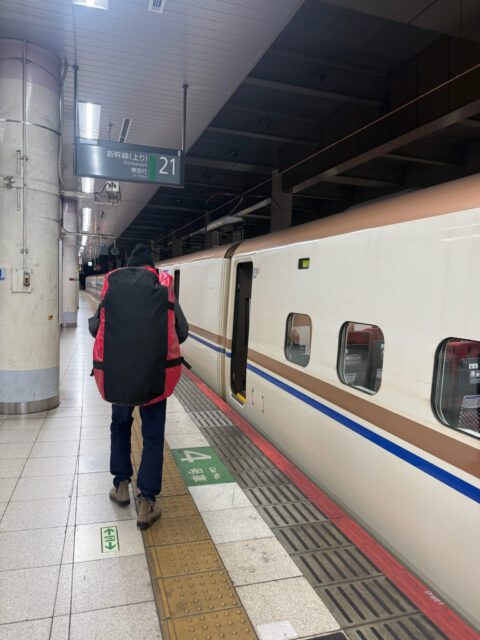
Feature-wise, the Base Camp Duffel XXL is intentionally slim. An inner mesh pocket on the D zip (to which I only add soft items because of the effect on comfort on the back) and a mesh sleeve on one of the ends are the extent of its organization features. I didn’t find myself using either extra pocket for this particular trip, but I can see how they would be useful.
The zipper is designed above all else to be durable, so it’s not the easiest to open (though this could probably be improved with some extensions of the zipper pulls and/or more uses of the zipper). The D zip size is quite large — not as large as the Sea to Summit Duffel but larger than the Patagonia Black Hole Duffel — and small enough so that the bag keeps its structure when unzipped, but not so small that it’s difficult to pack. It comes with a circular mesh packing cube for storage that I haven’t found myself using.
Above all else, the Base Camp Duffel’s materials are where its value lies. The recycled outer fabric proved burly against parking lot grease, train dirt, and snow/slush/rain. It’s not a lightweight material, with the bag weighing over 6 pounds on its own, but in my experience, it’s quite dependable. I’ll definitely be taking it on rugged trips where minimizing the number of bags is essential.
Velocio Riding Duffel
MSRP: $179
Simon Stewart: I’ve been using Velocio’s Riding Duffel as my go-to grab bag for when I have to drive anywhere to ride for about a year now.
Constructed from 100% nylon with a reinforced, waterproof base that wraps up the sides for extra protection, the Riding Duffel has burly stitching throughout and waterproof zippers to help keep your gear dry. There’s a main compartment and side compartments on either side. One of the side compartments has a removable waterproof divider that keeps your wet gear away from your dry after-ride clothes. The Riding Duffel has classic snap handles and a shoulder strap with multiple attachment points, giving it the versatility to be worn as a messenger bag or over-the-shoulder bag.
Velocio says it’s built to be abused, so I thought I probably should put that claim to the test. It’s spent many road trips in the bed of my truck, it’s been camping, it’s been through two moves, and the toughest test of all — it’s been a checked bag on a couple of budget airlines.
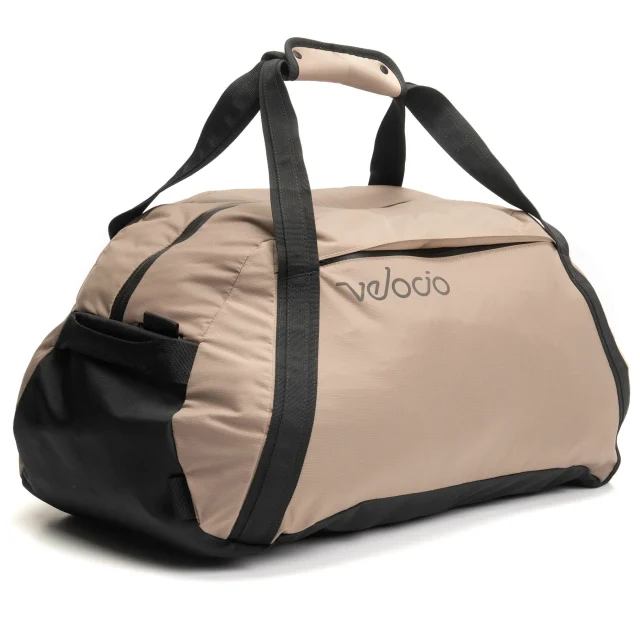
So far, it still looks pretty much new, and I have no complaints, other than it doesn’t smell particularly good at the moment. Velocio doesn’t claim the Riding Duffel is fully waterproof throughout, but it does have a waterproof base and zippers that may imply some level of water resistance. I have piles of dry bags from years of guiding (which all have a distinctive PVC appearance and roll-top closures), so I never expected the Riding Duffel to be waterproof. However, I accidentally left it in the bed of my truck for over a week, during which it rained most of the time, and once I realized where it was and opened it, my riding clothes were wet and very smelly. The takeaway here is that the Riding Duffel isn’t a dry bag, nor does it claim to be, so just keep that in mind.
To me, it feels like the Riding Duffel was designed by folks who ride bikes. At 40L of capacity, it’s not too big and is just the right size to fit all my riding gear (even my giant size 12.5 shoes), and a change of clothes essential for hanging out on my tailgate while enjoying a post-ride beer. And in a hectic life, it’s nice to have a place where all my ride essentials live, so even if I think I’ve forgotten something crucial, my Velocio Duffel has my back.
Curious Creatures Ramble Scramble Pants
MSRP: $150
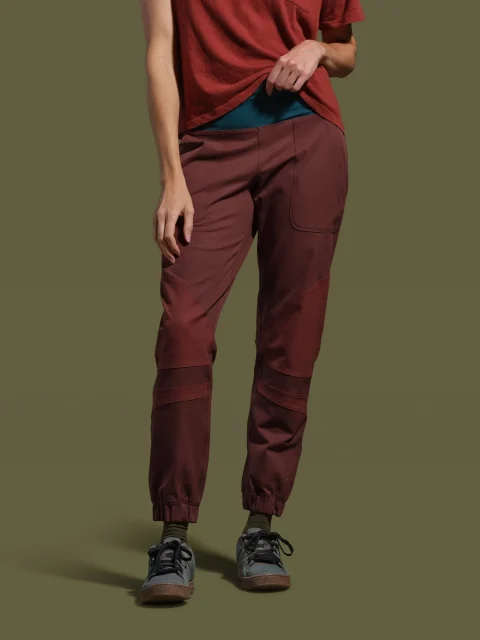
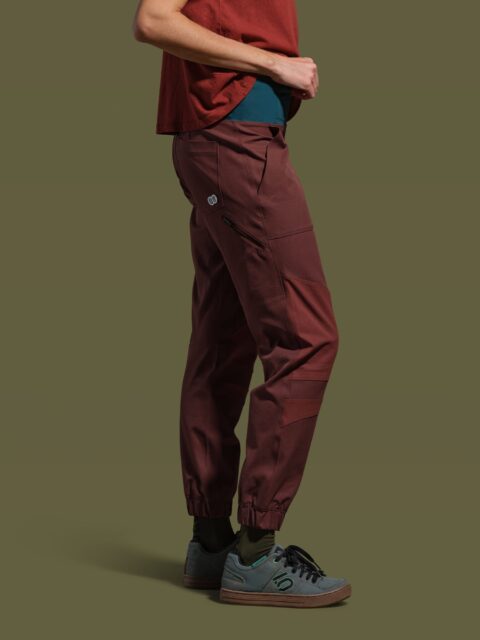
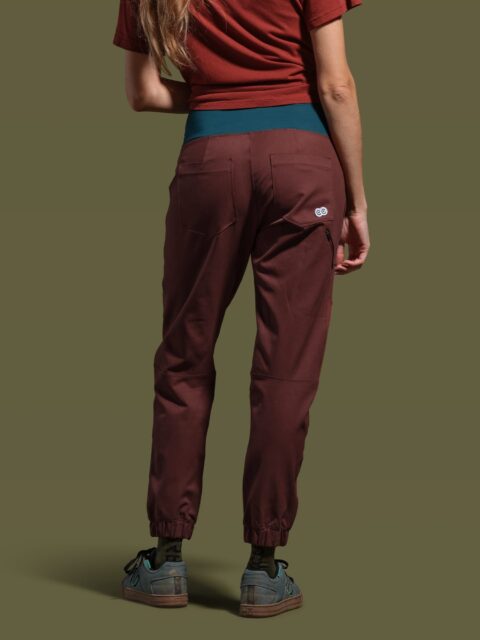
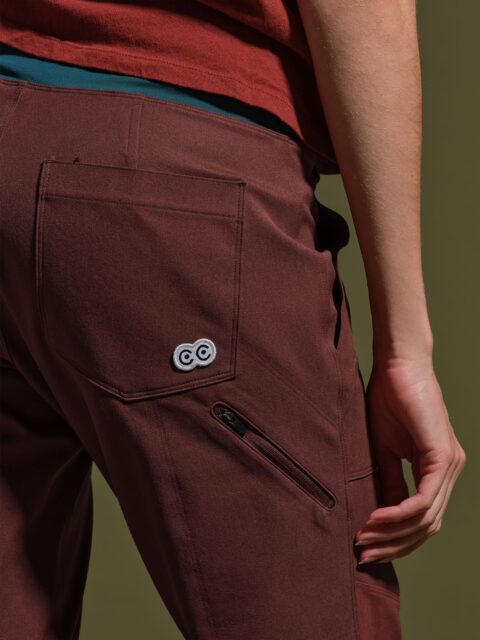
Kristin: Curious Creatures is a mountain bike apparel brand based in Bozeman, Montana—but don’t let that description fool you. While their roots are firmly in mountain biking, I’ve found their pieces work just as well for a wide range of off-the-bike activities.
I previously included the Women’s Sun Dog Pants in a Stuff We Like because I practically lived in them last spring and fall. One of Curious Creatures’ newer offerings is the Ramble Scramble Pant, which shares a similar design but ups the durability with a sturdier fabric.
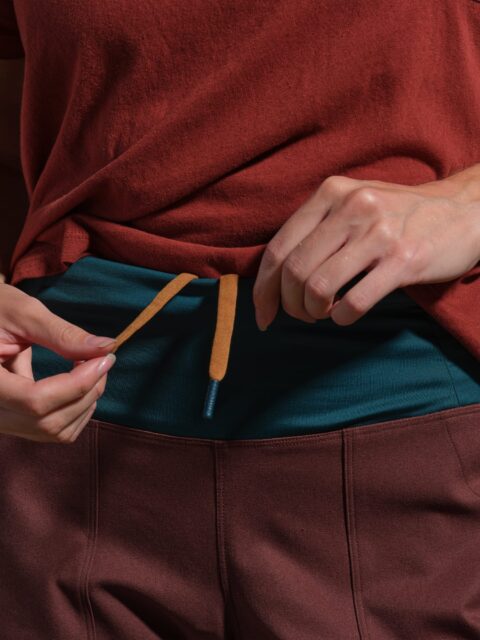
Both pants feature a wide, stretchy waistband, generous side-leg pockets that easily fit a phone, and a tapered cuff, which is ideal for keeping them from catching on the chain. Compared to the Sun Dog Pants, the Ramble Scramble fabric is heavier, warmer, and noticeably more robust. I wore them frequently this fall—on and off the bike—and they quickly became a go-to for everything from riding and hiking to traveling and everyday wear around town.
For reference, my preferred size is an 8, which fits comfortably without feeling restrictive.
Boot Beast
MSRP: $29.95 (on sale for $25.46 as of publishing)
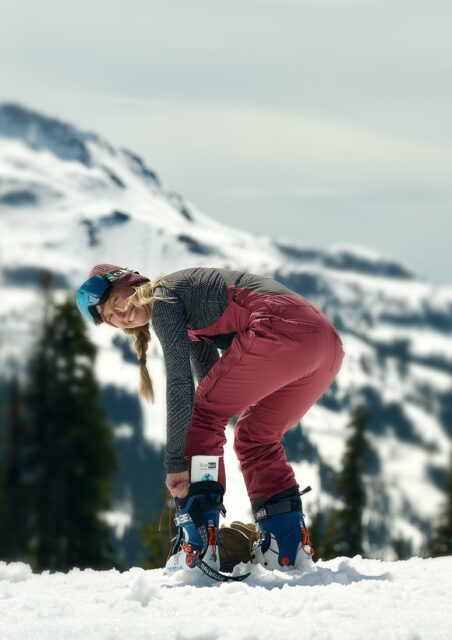
Luke Koppa: I’m fortunate to rarely struggle getting in and out of most ski boots, but I know that it’s a literal barrier to entry for a lot of skiers. Boot Beast is meant to address that — in short, it’s basically a plastic shoe horn for ski boots. It’s also made in Seattle, WA.
Recently, I started testing the new Salomon S/Pro Alpha C BOA 130. This particular boot can be very tricky when getting in and out of it ‘World Cup style’ — putting foot in liner and then liner + foot into shell. Once I realized that this boot actually does work for my foot, and I’d therefore be spending lots of days in it, I decided to see if Boot Beasts would help with getting in and out of it every day.
It definitely has. The Boot Beast creates a lower-friction surface on which your heel (whether it’s covered by just a sock or a liner like my ZipFits) can more easily slide up and down. Then, once your foot is in the boot, you just pull out the Boot Beast. I was initially worried this could accidentally pull out the spoilers velcroed to my liners, but that hasn’t been an issue so far. And the stiffer construction of Boot Beast has done a better job overall than the notably more flexible ZipFit Boot Horn I’ve previously used.
So, if you’re someone who’s always dreaded putting on your ski boots and/or taking them off, Boot Beast is worth considering.
Tru-Tension BananaSlip Tungsten All-Weather Chain Lube
MSRP: $20 USD
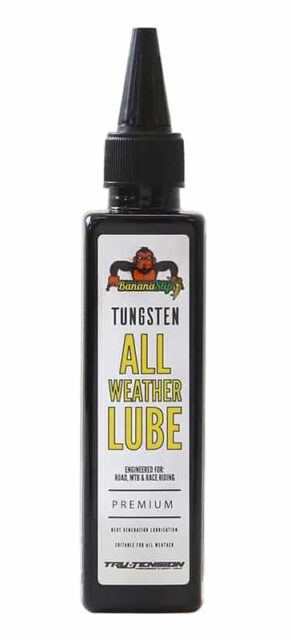
Zack Henderson: Tru-Tension isn’t a name I had heard of previously, but the UK-based brand makes a wide range of lubricants and cleaning products for bikes and motorcycles. I was on the hunt for an especially clean-running yet weather-resistant chain lube for longer Gravel rides in foul weather, and their BananaSlip Tungsten All-Weather Chain Lube kept getting mentioned for being an especially efficient yet resilient wax-based option.
I’ve had good luck with Squirt as another wax-based chain lube, but only in dry conditions — as much as I appreciate how clean and efficient wax-based lubes can be, I’ve found them to be lackluster in the mud and grit that seems to cover the trails for half of the year here in Northwest Washington. Several folks had mentioned the longevity and clean-running performance of Tru-Tension’s BananaSlip Tungsten All-Weather Chain Lube, and at $20 for a small bottle, I figured I’d give it a shot.
So far, I’ve been mightily impressed by Tru-Tension’s BananaSlip Tungsten option in dry and variable conditions. It runs smoothly, lasts a long time, and critically, keeps my drivetrain exceptionally clean. That seems to have helped with the longevity of my drivetrain on my Gravel bike, but I’ve noticed the biggest difference on my high-pivot Enduro bike — where the extra pulley can require attention to the chain to keep things running nicely, Tru-Tension’s BananaSlip Tungsten All Weather Chain Lube allows me to go much longer between chain cleanings while also keeping accumulated gunk from introducing unwanted rumbles or grittiness to my drivetrain performance.
Icebreaker Men’s Merino Blend 125 Cool-Lite Sphere III Long Sleeve T-Shirt
MSRP: $85
Jed Doane: I (and many other Blister reviewers) have always valued the stink-resistance of merino, but I often struggle with the texture and weight of traditional options. I’ve tried blended merino and polyester base layers with some success, but they always feel a little heavier than I want. After several months of testing and use from fishing to splitboarding to trail running, this offering from Icebreaker is a new favorite — a versatile shirt that works in a variety of conditions, is comfortable on my skin, resists stink, and doesn’t look overly “techy”.
I first put the Sphere III to the test on a multi-day trip. At the beginning of the trip, I used it as a clean layer, where I found it comfortable in a variety of layering uses, including over skin-tight base layers in a pinch. Later in the trip, I wore it on trail, and it handled pack sweat and hot sunny days well. What impressed me most, however, was that it didn’t look or smell like a wreck afterward; I was able to wear it out in the city immediately following the trip. I routinely wear mine around the house and as a base layer while splitboarding, or as a running top in the city.
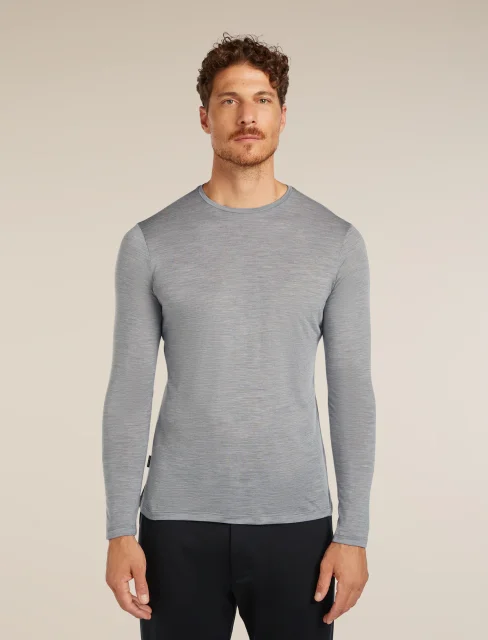
Given the lightweight fabric and the substantial wool component, I was definitely worried about the longevity of this shirt. Long-term care with wool is always a concern, and I’ve been impressed with the minimal warping or shrinking after washes. (As I do with all my wool layers, I washed the Sphere III in cold water and laid it flat to dry). Aside from some minor pilling around pack straps, I haven’t otherwise noticed any wear or tear. At $85, it’s more affordable than my other favorite lightweight merino pieces like the Ibex Woolies Pro Tech top, which retails for $110.
Overall, the Sphere III shirt is a solid option. It’s a lightweight merino blend that’s functional and comfortable from town to trail, and relatively affordable for the technology it brings.
Peak Performance Freelight Polartec Alpha Insulated Hood Jacket
MSRP: $270
Luke Koppa (5’8”, 155 lbs / 173 cm, 70 kg): I’ve recently been testing this active insulator from Peak Performance, and I’m a big fan.
This piece features a high-loft, fleece-like Polartec Alpha lining throughout, except for the hood and underarms. It’s covered by a slightly stretchy, very wind-resistant, but still somewhat air-permeable 20D micro-ripstop shell fabric reminiscent of a windbreaker. The feature set is minimal — just a zippered chest pocket and a mesh drop-in one — and I’d call the fit pretty standard for this class (i.e., not super baggy, but far from skintight).
I’ve been surprised by how warm this piece can feel. Especially when sedentary and/or in a place without serious wind, the Freelight Polartec Alpha Jacket feels similarly warm to a standard Patagonia Nano-Air Jacket and its 60-g FullRange active insulation. It’s unclear whether this Peak Performance piece uses a 68-g or 85-g version of Polartec Alpha; based on my experience, it feels similarly warm to most ~60-g active insulations.
That said, relative to the Nano-Air, this Peak Performance jacket is more packable (and weighs a little under 300 grams), and it breathes a tad better when worn as an outer layer. But, unlike the most breathable high-loft fleeces I’ve used that don’t feature an external shell fabric, this Peak Performance jacket still blocks a good bit of wind and can repel a bit of snow.
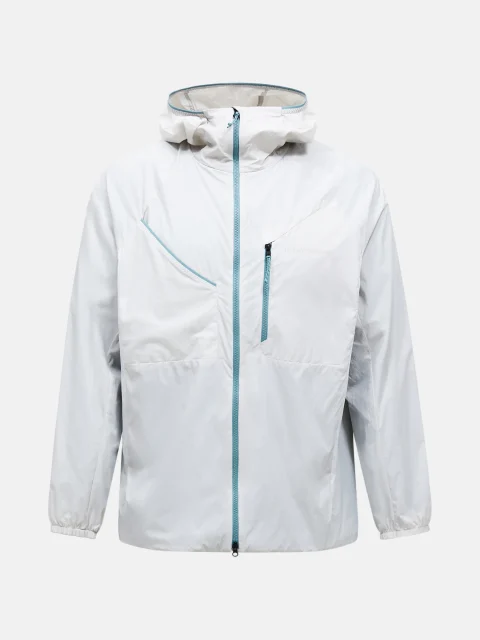
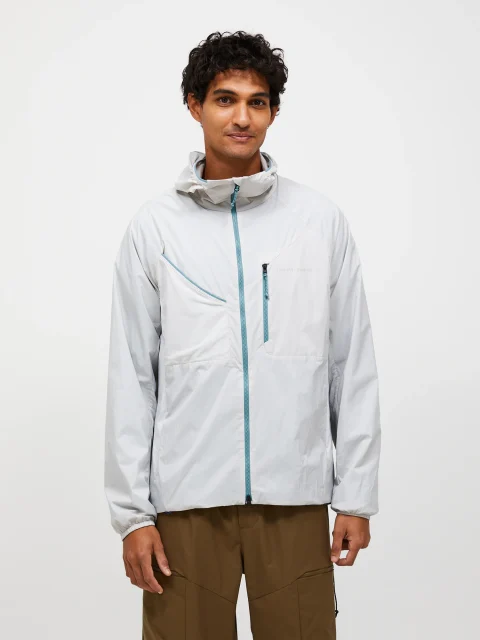
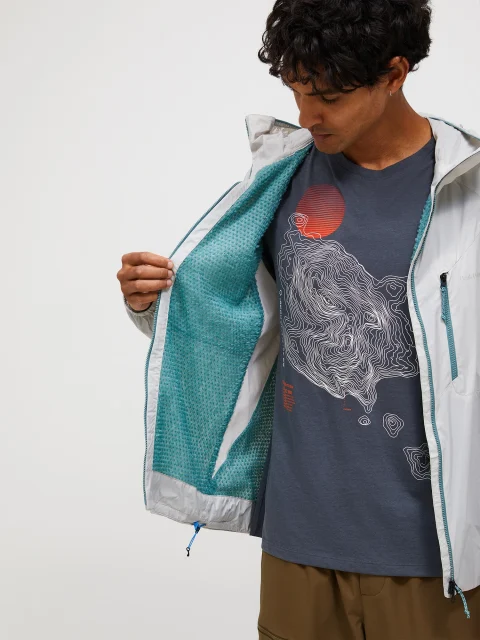
This piece is still warmer / less breathable than I typically want for high-output activities like ski touring in moderate winter temps (where I usually prefer 40-g or lighter insulation). However, it’s been great for touring (for my preferences) once temps dip below roughly 15°F (-9°C), and it’s proven to be very versatile as a midlayer under a shell when riding chairlifts in a wide range of temperatures.
I also like how it looks. All of this has led to the Freelight Polartec Alpha Jacket entering my daily rotation of light insulators, whether layered under a casual jacket for a night out, on its own for higher-output activities in cold temps, or under a shell at the resort.
One small note in case the Peak Performance designers read this: consider stitching down the lining near the arm cuffs. As is, the hanging lining there tends to turn inside-out a tad when pulling the sleeves up toward your elbow.
Endura MT500 Spray Trousers
MSRP: $200
David Golay (6’, 160 lb / 183 cm, 72.6 kg): I do a lot of riding in damp, cool conditions this time of year, and dressing for those can be tricky. It’s often cold enough that getting wet becomes uncomfortable very quickly, but I’m rarely riding in below freezing temperatures, so it’s still easy to overdress and soak yourself from the inside, too. The Endura MT500 Spray Trousers have become one of my go-to options for when it’s damp, but not super wet, and cool but not properly cold.
In short, the MT500 Spray Trousers are riding pants with waterproof panels on the seat and back of the upper legs, but more conventional non-waterproof material elsewhere. The main fabric is a little more densely woven and warmer than average for a non-waterproof bike pant, but it’s not specifically insulated, either, and still breathes pretty well.
And that’s a combination that’s working really well for me, particularly on rides where it’s not actively raining much but the ground is wet, and tire spray is a thing to contend with. There’s just enough waterproof material to cover the most spray-vulnerable areas, but not enough to hamper breathability and temperature regulation all that much.
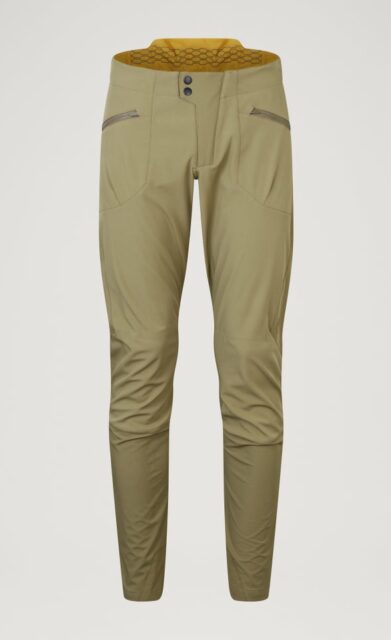
I will issue a word of warning on sizing: I’ve found Endura’s size chart to be accurate, but the MT500 Spray Trousers run quite big from a nominal sizing standpoint. I’m wearing them in a Small 32, which fits me well (and is what Endura’s size chart suggests for my measurements), but I’m almost always a Medium in pants that use that nominal sizing scheme. If anything, I could even go for a slightly smaller waist on the Smalls, but wouldn’t want the seat or thighs to be much tighter, so I don’t think sizing down even further would work.
The velcro waist adjusters cinch things down enough to work well for me, but I’m running them at the tighter end of the range, and there’s a little bunching of the waist fabric as a result. It’s fine if I take a little care to set the folds flat when I put them on, but the fit would be more dialed for me, personally, if the waist were smaller. (I’m usually a 31, or occasionally a 30 in most pants, at least waist-wise; I sometimes need to size up to a 32 to get enough room in the seat and thighs.)
That said, I’m a big fan of the fact that Endura offers two different leg lengths in each nominal size — 30 and 32 for the XS and S, and 32 and 34 for the bigger ones. Bike pants that fit me well in the waist are often a bit short, and especially for a wet-weather option where I want good coverage between the cuff and my shoes, it’s nice to have both short and long options to cover a range of body types.
I’ve still got fully waterproof pants, and warmer, more insulated options in my rotation, too, but the MT500 Spray Trousers are a great middle ground that I’ve found to be super functional in the PNW winter. I’m a big fan.