

Wolf Tooth CTRL Trail Clip Pedals
Platform Area: 941 mm^2
Stated Weight (pair): 326 g
Blister’s Measured Weight: 162 & 164 g
MSRP: $220 USD
Bolted To: Trek Top Fuel
Reviewer: 6’, 160 lb / 183 cm, 72.6 kg
Test Locations: Washington
Test Duration: 3 months
Intro
We’ve been testing the Wolf Tooth CTRL pedals through late summer dust into one of the wetter starts to Pacific Northwest winter that we’ve seen (and that’s saying something). They’ve proven to be a consistent performer through it all, with some standout features that might make them just what some XC and Trail riders have been looking for. Let’s get into it.
Design
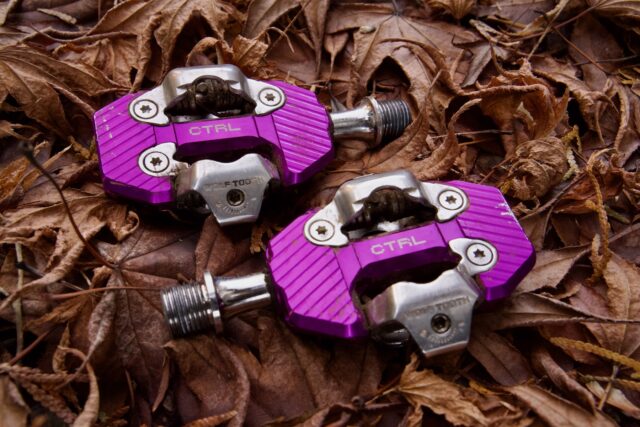
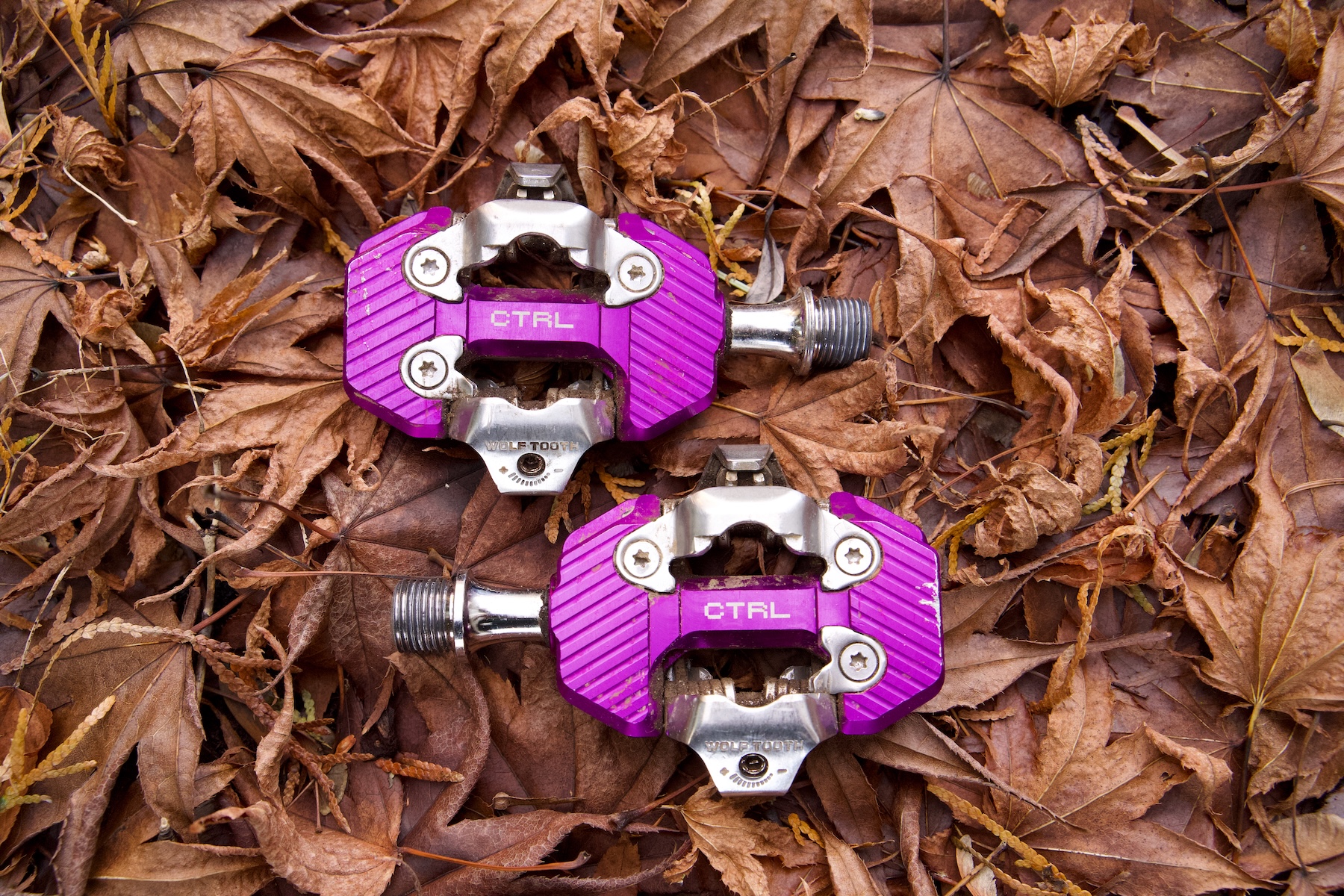
The new CTRL pedals are the Trail-focused option in Wolf Tooth’s new lineup of clip pedals, all based around an SPD mechanism. We spoke at length about the full family in our First Look, so I won’t go too deeply into the design elements here. In short, though, the CTRL pedals forgo any platform extension toward the front or back of the pedal, instead adding extra real estate on either side of the clip mechanism. This means that while the pedal looks quite small, the contact areas with the shoe on either side are fairly large compared to other pedals to maximize lateral stability.
Despite being rather light, the CTRL pedals feel quite substantial in their build. Out of the box, the CTRL pedals ooze quality, with a chunky and nicely machined platform matched to an especially shiny stainless steel axle and mechanism.
Installation & Setup
Getting up and running with the CTRL pedals was no different than setting up any other SPD pedal. Wolf Tooth says their cleats are optimized for their own SPD mechanism, but I was able to run cleats from OneUp and Shimano with no issues as well — any SPD cleat should work just fine.
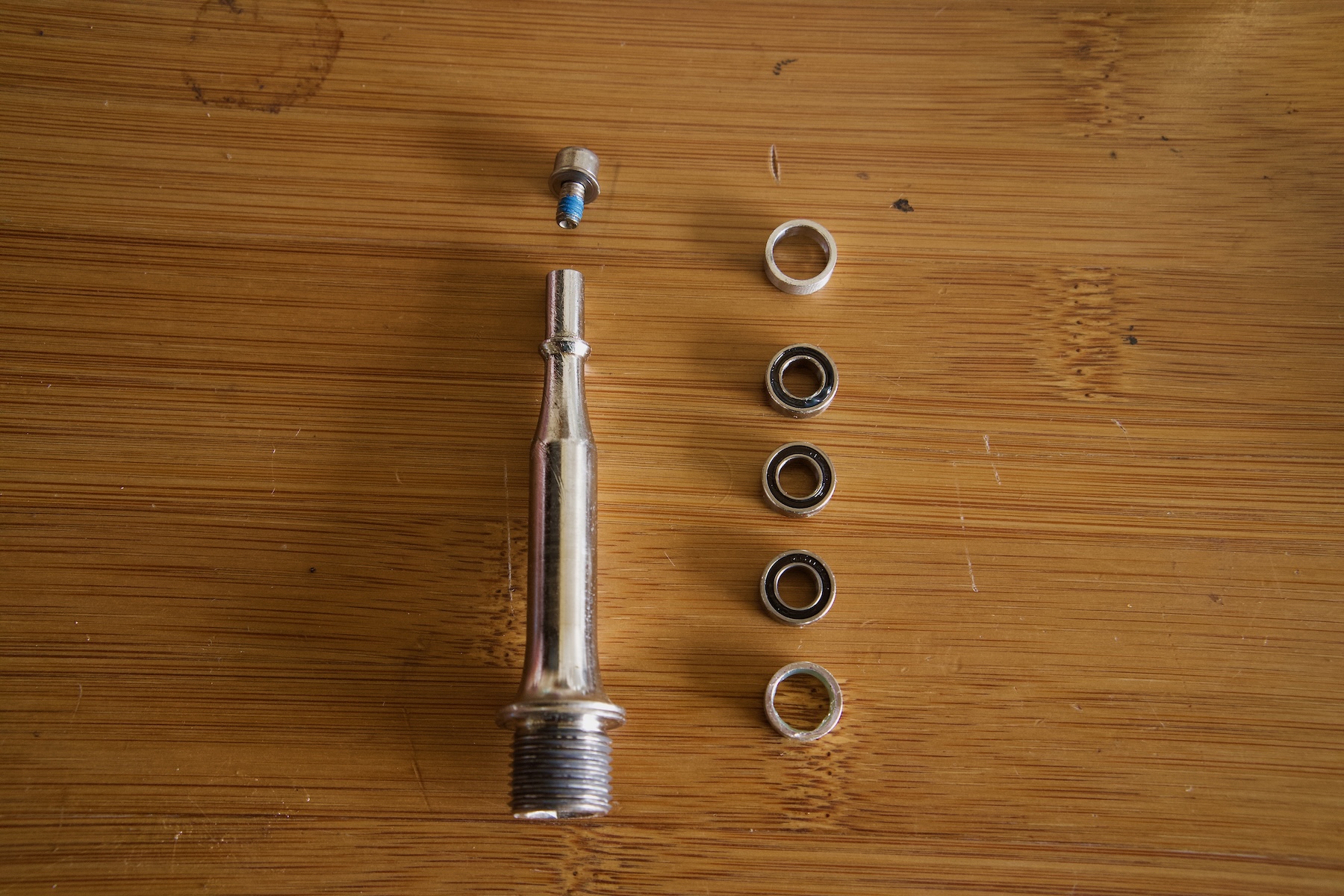
One of the more novel features of the full Wolf Tooth lineup of clip pedals is the ability to adjust the Q-factor using internal spacers. I happened to prefer the stock 55 mm Q-factor, but I did crack open the internals to see how the system worked. It’s a very simple process of removing the axle and re-stacking the spacers relative to the bearings, thereby adjusting the length of axle extends between the pedal body and crank arm. For folks that have specific Q-factor preferences, it’s an especially clever system.
On-Trail Performance
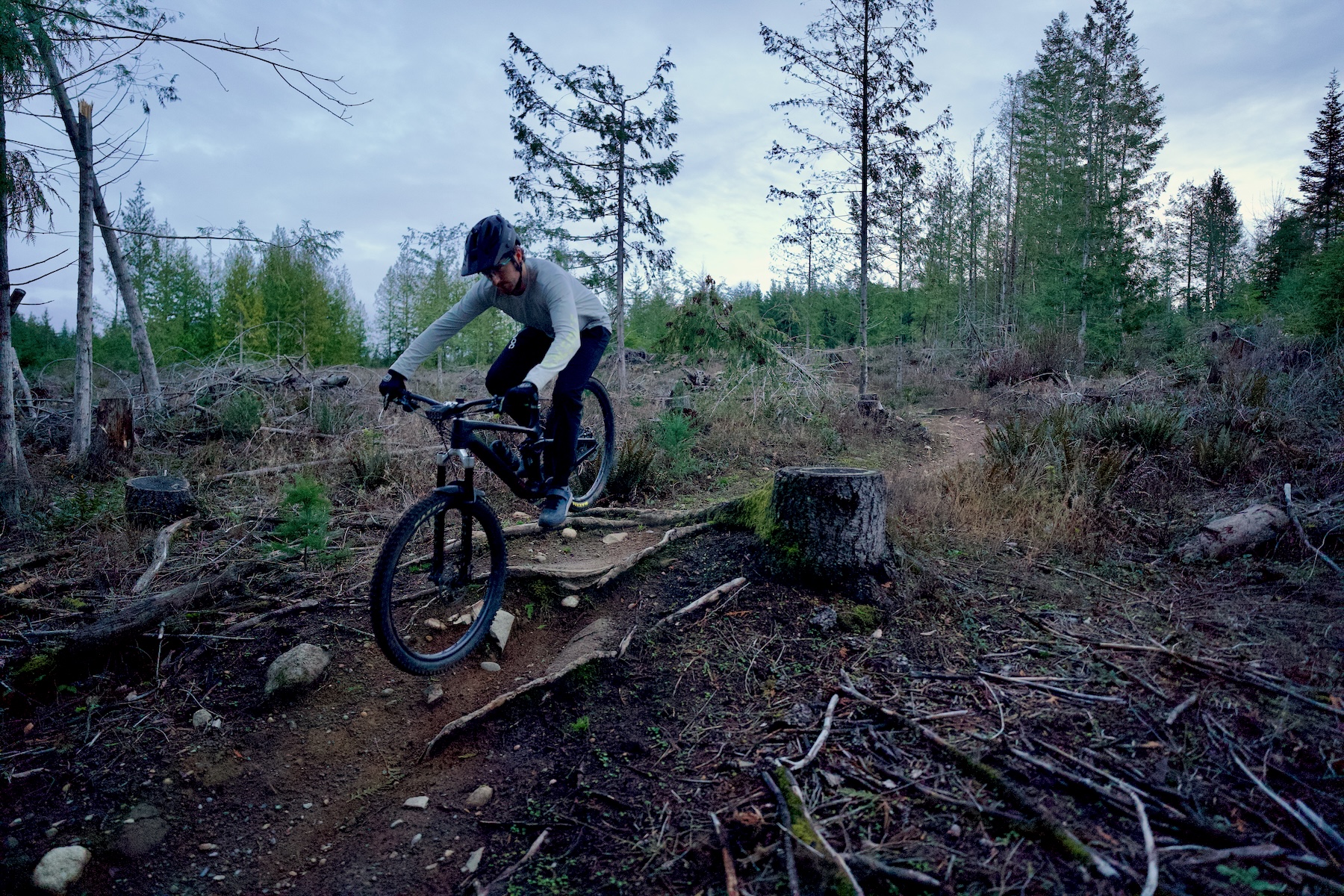
I’ll start with the most unique aspect of the CTRL pedals, which is the platform shape. While the CTRL pedals have the largest platform in the Wolf Tooth range, it’s still a very compact pedal in comparison to most other Trail-focused pedals on the market. The CTRL’s platform area is entirely concentrated on the left and right hand sides of the mechanism, the goal being maximal lateral support where the shoe sole has the most contact with the pedal platform.
In practice, that theory largely proves out. When pushing hard and moving the bike dynamically through corners and rough bits of trail, the CTRL pedals did a nice job of feeling very laterally supportive. As someone who also rides flat pedals quite a bit, I am picky about the amount of lateral support that clip pedals provide, often preferring ones with large platforms for that reason, and the CTRL pedals were especially impressive there.
Sole contact with the platform is, of course, critical to the amount of support on offer. I initially found some older Crank Brothers Mallet Enduro shoes to feel a bit tippy thanks to a shallower than average cleat pocket that left the sole hovering slightly above the pedal platform. Fortunately, my Fox Union Clip shoes played nicely with the CTRL, contacting the platform while still having a smooth, predictable release.
[David Golay: I’ve spent some time on the CTRL, too, and found the Specialized 2FO DH and Shimano GE9 HS to work quite well, but similarly found the shallow cleat pocket of the Crank Brothers Mallet DH to feel a bit tippy. Its relatively soft sole also feels less-than-ideal for the cropped platform shape on the CTRL. Back to Zack for more on that.]
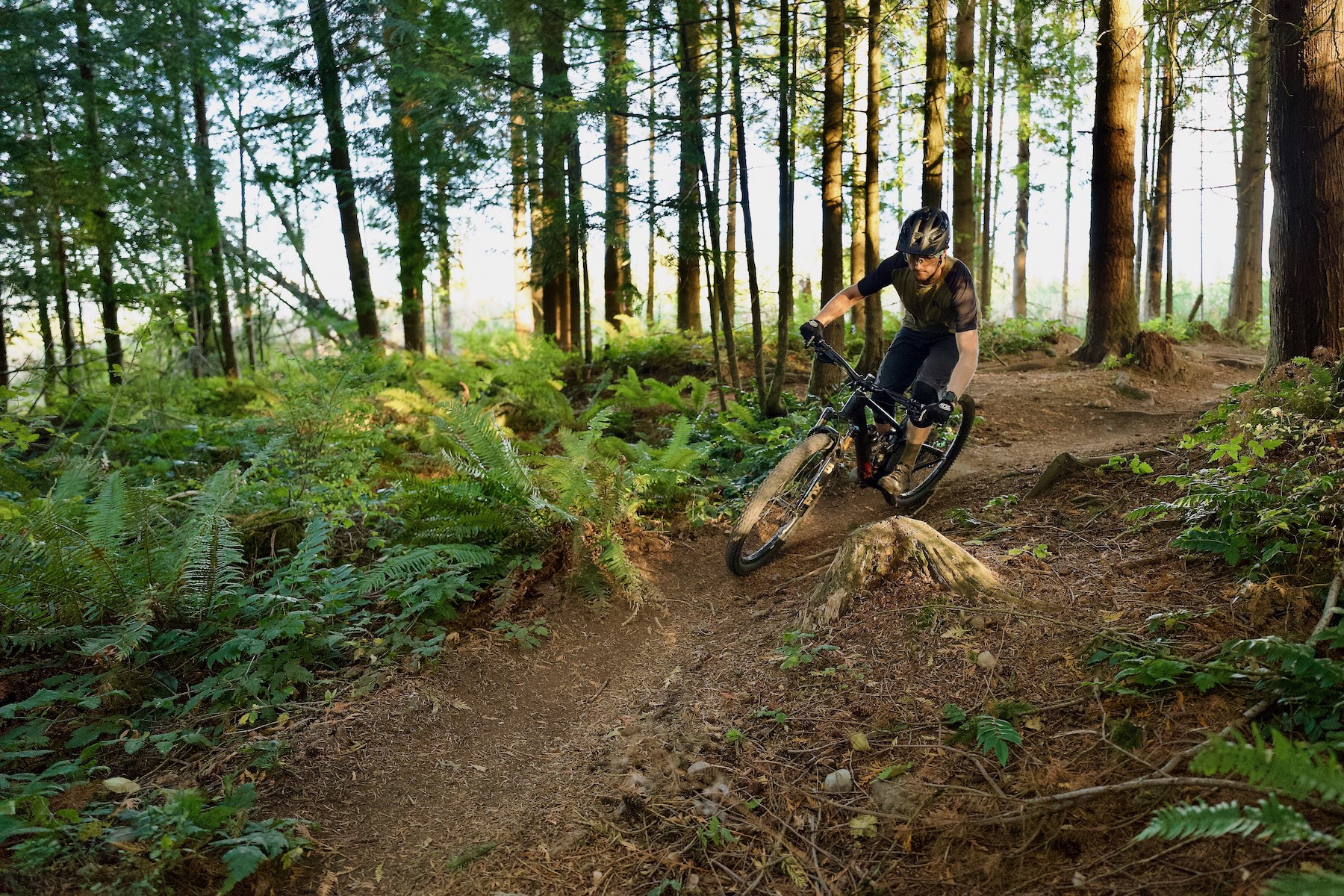
While the Fox shoes I used are quite stiff, the fairly blown-out Mallet Enduro shoes I used showed that the unique platform design of the CTRL pedals comes with some compromise in terms of support for more flexible shoes. My typical HT T2 pedals have extra platform area fore and aft of the mechanism, and the aft portion in particular helps support more flexible shoes over big compressions. Because Wolf Tooth has done away with any sort of fore or aft wings on the CTRL pedal, I could feel my old, worn shoes flexing behind the cleat and through the arch on larger impacts. While stiffer shoes work great with the CTRL pedals, folks who prefer softer-soled shoes might find their lack of support behind the mechanism to make shoe flex more noticeable.
As a final note on the platform design, the lack of fore / aft wings means that the CTRL pedals present a smaller target when trying to find the pedal after coming unclipped. It wasn’t a frequent issue, but I had a couple of instances where I came unclipped and needed an extra split second to locate the CTRL pedal and clip in again. Pedals with forward and rearward extensions of the platform are, simply due to their overall footprint, easier to locate while riding.
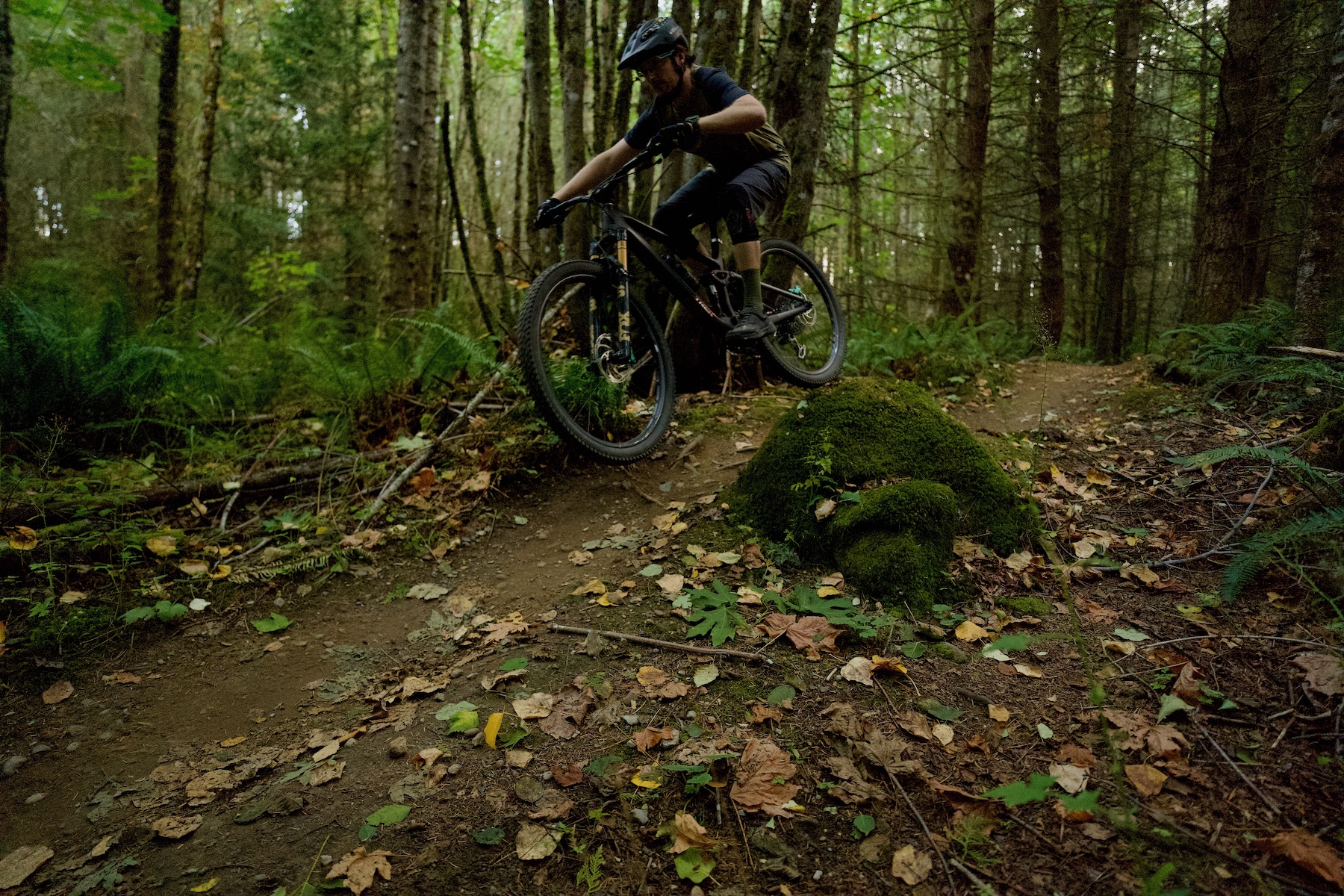
Another factor that I’m pretty choosy about with clip pedals is the feel of the mechanism. Wolf Tooth has selected the broadly used SPD design for their whole pedal range, but the performance of their mechanism proves that not all SPD designs are created equal.
I’ve ridden plenty of different designs over the years, from Time to Crank Brothers to HT to SPD, generally finding myself preferring the very positive, springy, and play-free feel of the HT design. While I’ve sometimes found SPD designs to feel a bit vague and almost “loose” in how they feel up to the release point, Wolf Tooth’s interpretation seems to create a meaningfully tighter marriage between the cleat and mechanism. The feel of the CTRL’s mechanism is similar to what David and I both found in reviewing the OneUp Clip pedals — while the float is still fairly free-moving compared to something like the HT T2 or X3, it feels like the tolerances of the mechanism are better than I’ve come to expect with other SPD designs, helping to prevent undue play.
Durability
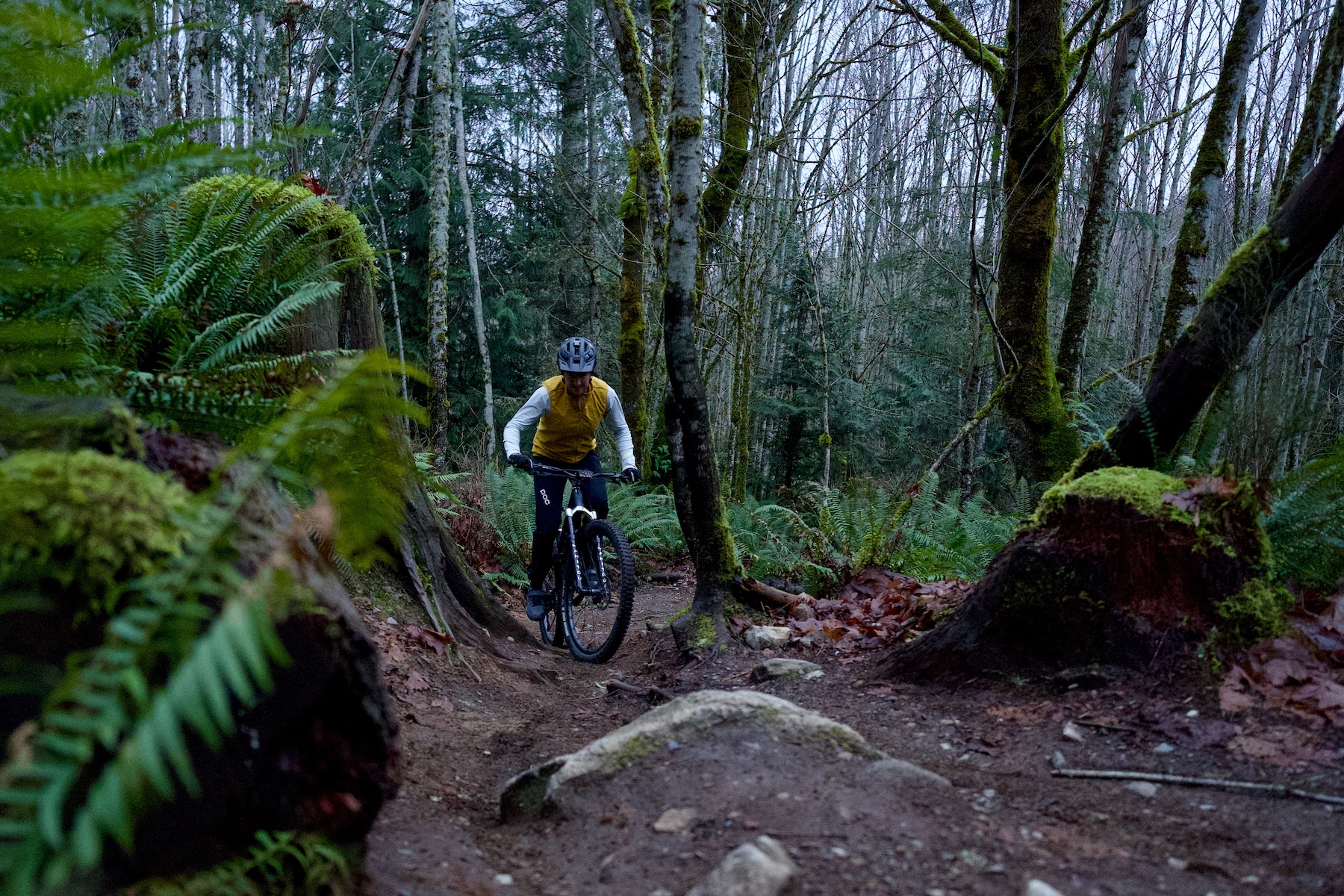
Despite being very light, the CTRL pedals are rock-solid in their build quality. The lack of fore and aft wings means the pedals don’t strike things quite as often, but aside from a few cosmetic scratches, instances where I did smack them on something yielded no meaningful damage. It’s worth noting that all of the pedal’s parts are individually replaceable, so if anything were to happen with a part of the mechanism, for example, it’s an easy DIY swap.
I’m also very impressed with the bearings and sealing of the CTRL pedals. The three bearings and a bushing go beyond what most pedals use (though the OneUp Clip follows a similar layout), and Wolf Tooth’s custom seals did a great job of keeping any sort of water and grit at bay. Some pedals require more frequent services, but I’d expect the CTRLs to run for quite a while before needing any attention.
Bottom Line
Wolf Tooth has taken a unique approach to their first clip pedal lineup, and the CTRL is truly a great pedal for SPD fans looking for a lightweight yet burly pedal for XC and Trail riding. More gravity-oriented riders will likely want something with a larger pedal body for truly maximal support, but when mated to a stiffer shoe, the CTRL manages to provide lots of lateral support, mated to a precise and secure-feeling mechanism.