

Fox 36 & 36 SL
Travel Options: 140, 150, and 160 mm
Wheel Size Options: 27.5’’ and 29’’
Available Offset: 44 mm
Stanchion Diameter: 36 mm
Spring: Air
Stated Weight: 1,920 g (29’’ | 160 mm travel | Grip X damper)
Blister’s Measured Weight: 2,134 g (29” |160 mm travel | Grip X2 damper)
[Note: the Grip X2 damper is about 120 g heavier than the Grip X one]
MSRP: $749 to $1,199 USD
Reviewers:
- Zack Henderson: 6’, 165 lb / 183 cm, 74.8 kg
- David Golay: 6’, 160 lb / 183 cm, 72.6 kg
Bolted To: Propane Hugene 3, Trek Fuel EX, We Are One Arrival, Transition Sentinel, Salsa Blackthorn 145
Test Duration: 8 months
Test Locations: Washington
Travel Options: 120, 130, and 140 mm
Wheel Size: 29’’
Offset: 44 mm
Stanchion Diameter: 36 mm
Spring: Air
Stated Weight: 1,755 g (140mm travel | Grip X damper)
Blister’s Measured Weight: 1,789 g (140 mm travel | Grip X damper)
MSRP: $699 to $1,149 USD
Reviewers:
- Zack Henderson: 6’, 165 lb / 183 cm, 74.8 kg
- David Golay: 6’, 160 lb / 183 cm, 72.6 kg
Bolted To: Trek Top Fuel, BTR Ranger, Propane Hugene 3
Test Duration: 8 months
Test Locations: Washington
Intro
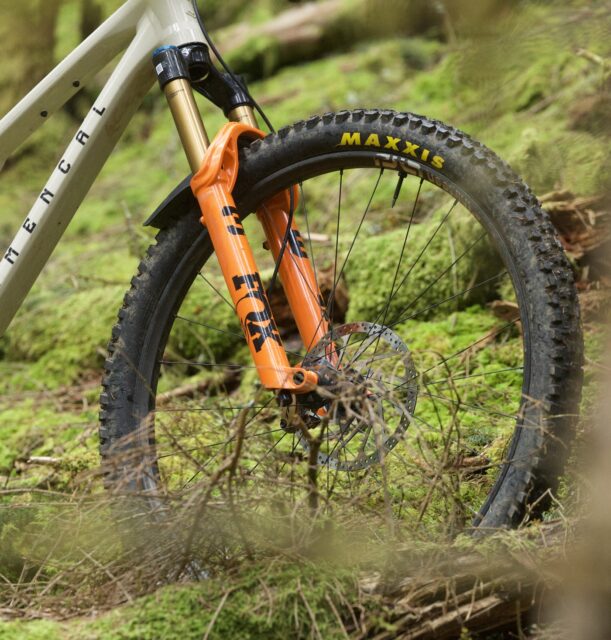
Fox just launched the new 34 SL XC race fork, but they’re not done reworking their lineup. There’s now a new 36 SL — which replaces the 34 as their lighter-duty Trail bike fork — as well as an updated version of the longstanding 36. Let’s see what they’ve cooked up.
Design & Features
The 36 and 36 SL share many design details, so we’ll start with the areas where they overlap. Both (unsurprisingly, given Fox’s longstanding naming conventions) have 36 mm stanchions and they look very similar, but the 36 SL is substantially lighter and is offered in shorter-travel configurations, while the beefed-up 36 handles the longer travel end of the Trail bike spectrum.
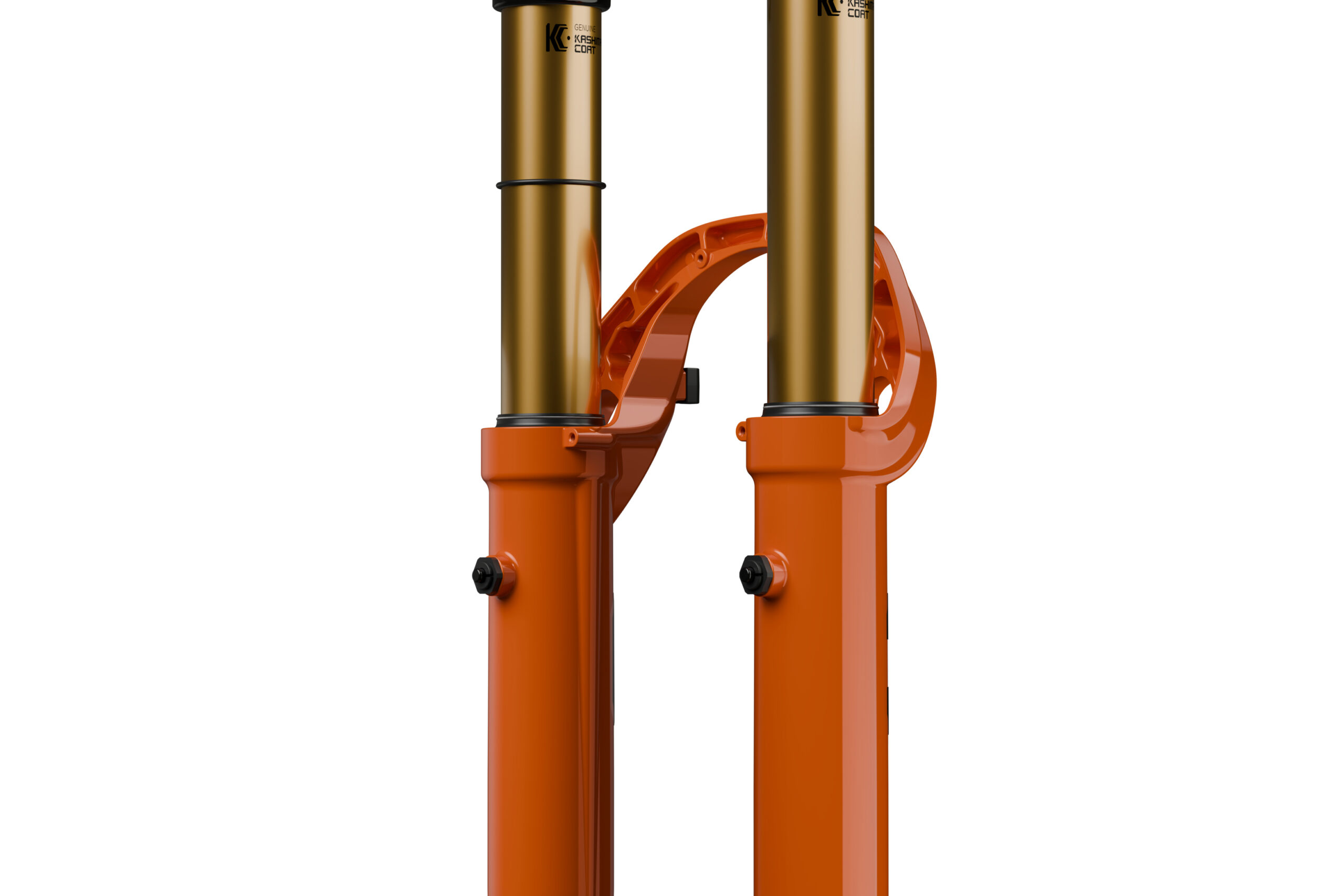
Both versions get new lowers with similar design language to the new 34 SL that Fox launched shortly before the 36 siblings. The arch on both forks features a series of cutouts to remove material where it’s not needed, and the bypass channels in the lower legs (which allow air and oil to move past the lower bushings more easily, mitigating built-up air pressure in the lower, and providing better lubrication to the upper bushings and seals) have been moved to the insides of the legs. Unlike the 34 SL, which forgoes them in the name of weight savings, both 36 variants feature push-button pressure relief valves on the lowers, as Fox has been offering on their longer-travel forks for some time now.
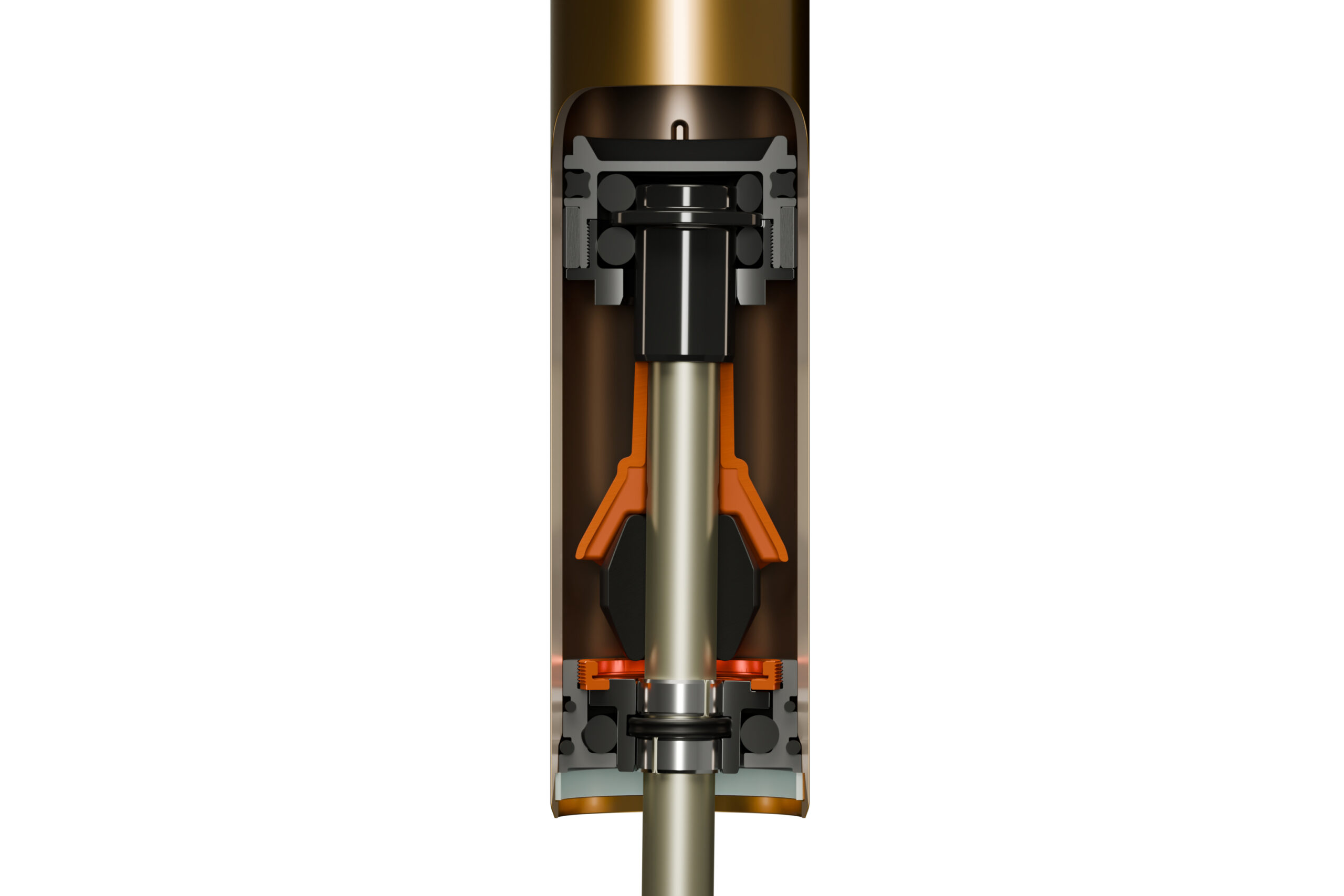
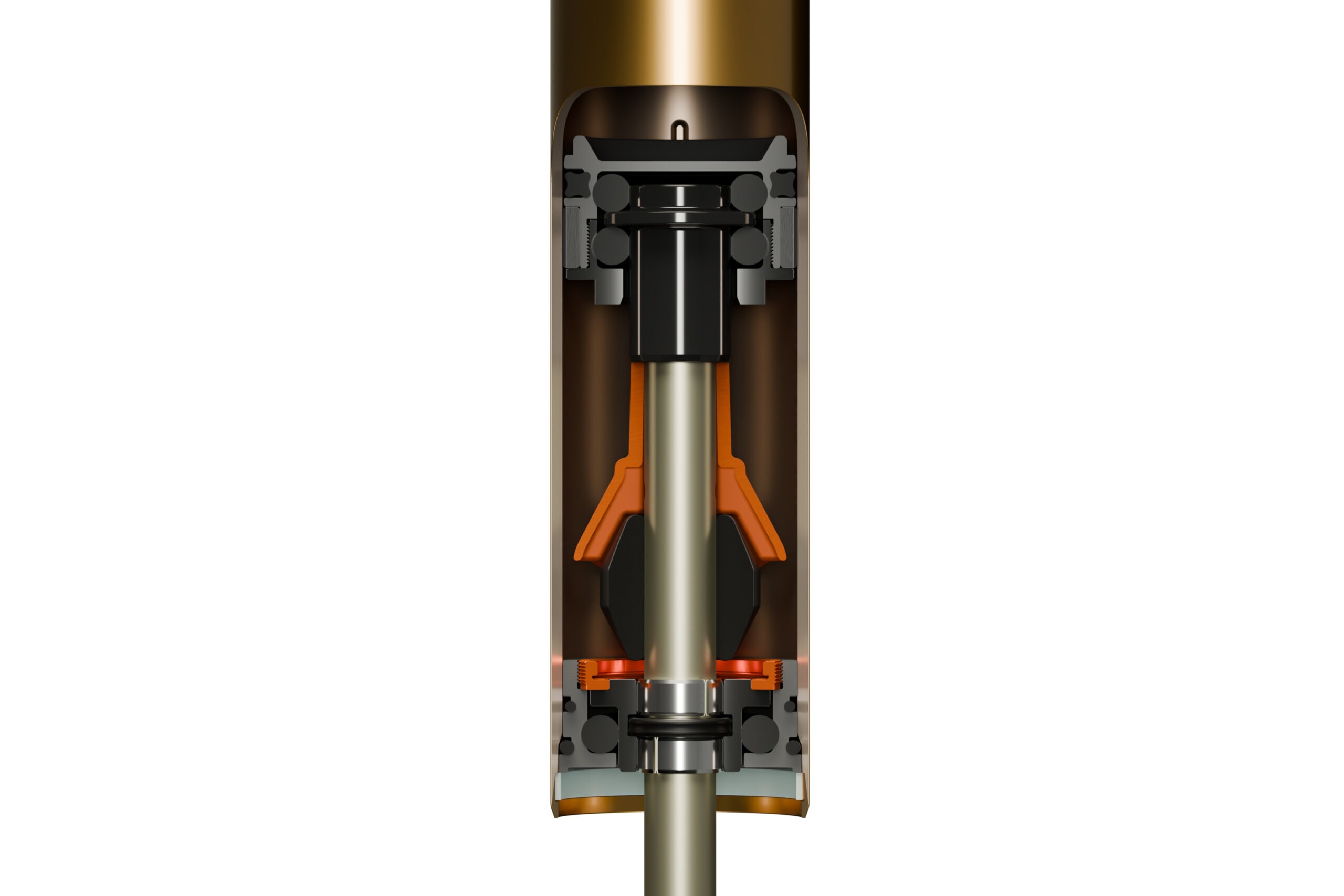
Both forks are air-sprung only, but Fox has made some updates to the design of the spring. It’s still a single-positive air chamber design with a self-equalizing negative spring — as Fox (and RockShox) have been using for over a decade — but Fox has taken an interesting approach to reducing friction in the system.
Unlike most air-sprung forks, the air spring piston in both the 36 and 36 SL isn’t mounted rigidly to the air shaft. Instead, it floats slightly on two very thick O-rings to allow a bit of misalignment of the air spring shaft and the stanchion without introducing nearly as much friction in doing so. There’s a similar arrangement in the negative spring plate at the bottom of the stanchion to allow slight misalignment there as well.
The thinking here is to help reduce friction and binding when the fork is subjected to heavy bending loads. It’s (comparatively, anyway) easy to achieve reasonably precise alignment of the spring shaft and stanchion when the fork is static, but that all goes out the window once the fork is flexing fore-aft. The new spring design should move more freely under those circumstances. Another nice touch is that the air spring top cap on both forks now uses a standard cassette tool instead of a large hex wrench to make volume spacer swaps slightly easier, with less likelihood of marring or stripping the top cap.
Things carry over unchanged on the damper side, with the Grip damper that’s been around for a while staying put in the most affordable Performance version of both forks. The newer Grip X and/or Grip X2 dampers are featured in the higher-end variants, depending on the exact specification in question — more on that below.
36 SL
As mentioned above, the new 36 SL replaces the 34 as Fox’s lighter-duty Trail bike fork. In keeping with that, it’s offered in 120, 130, and 140mm-travel versions, and it’s only designed for 29’’ wheels.
At a stated weight of 1,755 grams, the 36 SL is about 100 grams heavier than the 34 that it replaces, but Fox says that it’s also 20% stiffer torsionally. The 36 SL gets 20 mm more bushing overlap than the 34 had, which should help with fore-aft stiffness as well, though Fox doesn’t cite a specific figure there.
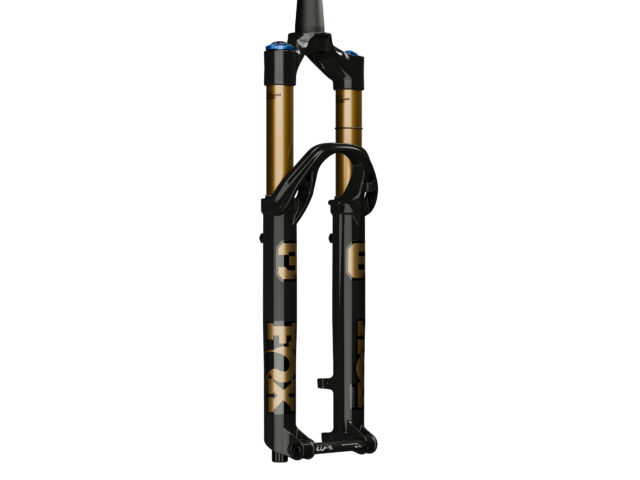
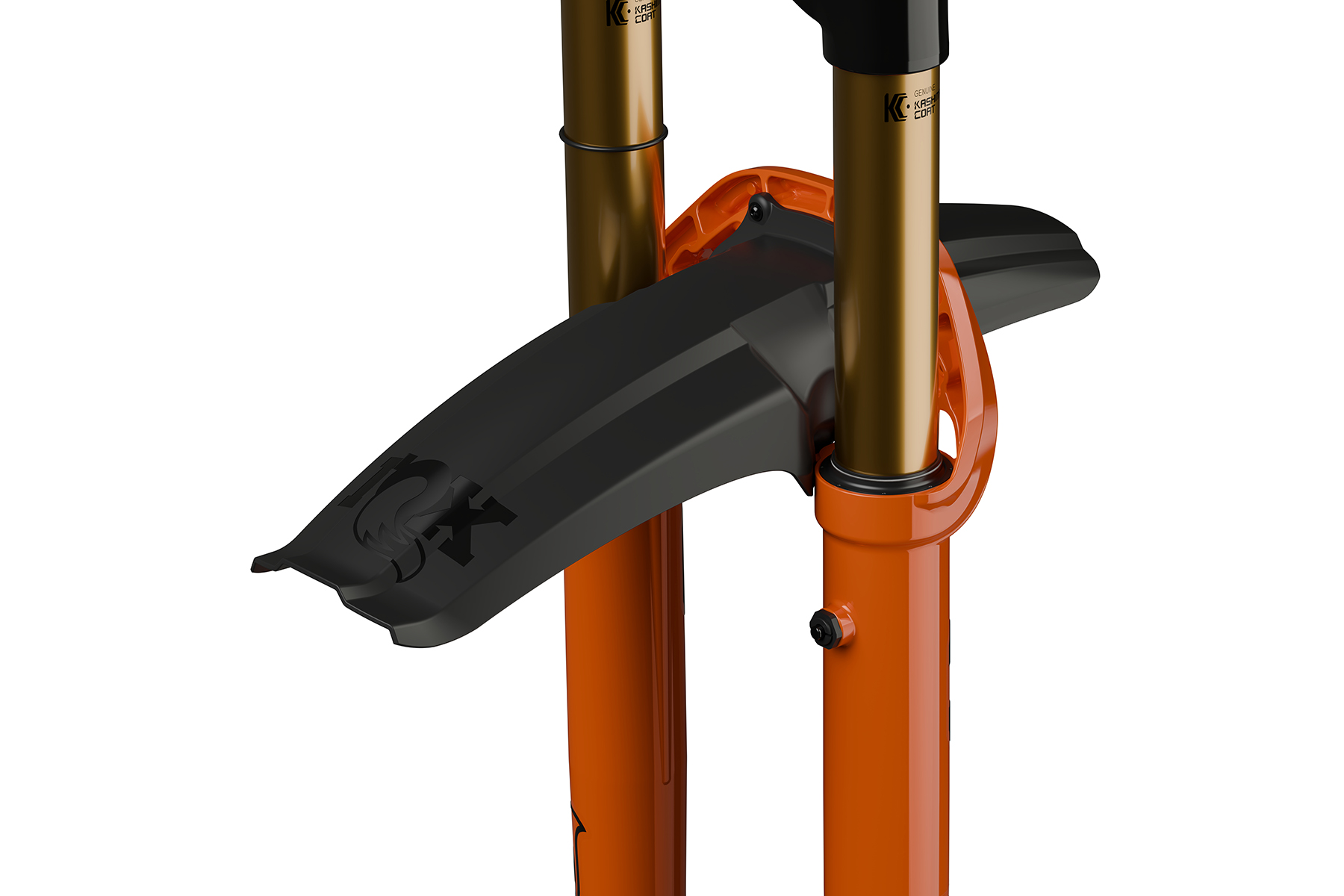
36
The standard 36 shares most of its features with the 36 SL, just in a beefed-up, longer-travel package. It’s offered in both 27.5’’ and 29’’-wheeled versions, with 140, 150, or 160 mm of travel, and at a stated weight of 1,920 g (29’’, 160 mm travel, Grip X damper), it’s about 165 grams heavier than the 36 SL. That’s negligibly lighter than the outgoing 36, but Fox claims that the new version is 20% stiffer torsionally due to the revised chassis and increased bushing overlap; they also claim that the new 36 is 87% as stiff torsionally as the 38 Enduro fork.
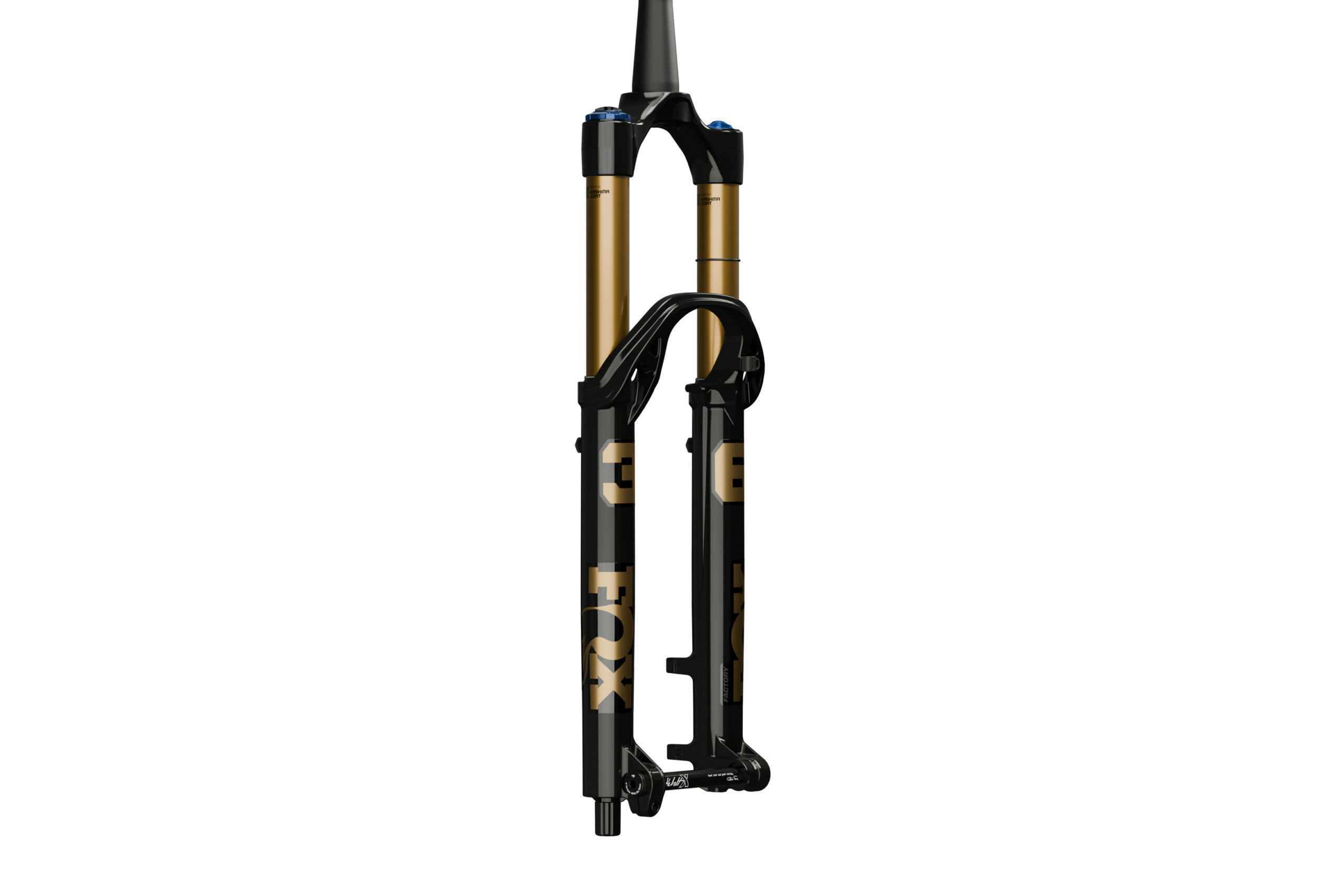
The Performance Elite and Factory versions of the 36 are offered with either the Grip X or Grip X2 dampers that Fox debuted in 2024; the latter gets more sophisticated valving and an additional high-speed compression adjuster but forgoes the climb mode of the Grip X and adds about 120 grams.
The new 36 lowers take a 200 mm rotor directly, and Fox clears the 36 to run up to a 230 mm one with an adapter.
FULL REVIEW
Fox has made some big changes to its suspension lineup this year, with updated versions of the Float X2 and DHX2 shocks, the new 34 SL and Podium forks, and the subjects of this review: the overhauled 36 All-Mountain fork and the new 36 SL Trail bike one, which takes the place of the now-discontinued 34. We’ve put a ton of time on the new 36 family, and here’s our take on how it stacks up:

Setup: Fox 36
David Golay (6’, 160 lb / 183 cm, 72.6 kg): I’ve spent time on several copies of the new 36 Grip X2 on a variety of bikes, spanning all three of its travel options (140, 150, and 160 mm). Fox’s air pressure chart doesn’t break down their recommendations by travel, which complicates things a little — shorter-travel setups on the same fork generally require a bit more air pressure than longer-travel ones. At 160mm travel, I settled on running 84 psi and two volume spacers; I bumped up to 93 psi and four spacers at 140mm. That’s a bit over Fox’s recommended pressure, but not by a ton, and roughly in line with my typical increase over recommended pressure across a lot of their forks.
The damper side didn’t issue any real surprises, either. The separate high- and low-speed rebound adjusters on the Grip X2 damper make setting up the rebound a little trickier than it is on a lot of other forks, but Fox’s baseline settings got me reasonably close. I settled on running the high-speed adjuster around -6 and the low-speed one about -10 at 160 mm travel (varying slightly depending on the bike / shock setup in question), and a click or two slower on each of the shorter-travel setups with their correspondingly higher air pressure settings.

My compression settings similarly vary a bit depending on the balance of the bike in question and how the rear suspension is set up, but — as I’ve consistently found in various Grip X2-equipped forks — I’m able to find settings I’m happy with, without bumping into the ends of the adjustment range. On my We Are One Arrival, I’ve settled on HSC -3 and LSC -7, at 160mm of travel.
Zack Henderson (6’, 165 lbs / 183 cm, 74.8 kg): My time with the Fox 36 was spent aboard the new Propain Hugene 3, which arrived with a Fox 36 Factory Grip X2 set to 140 mm of travel. David’s points on the limitations of following the recommended air pressures are valid when scaling across the travel range, and I found myself running a bit above their online chart’s recommended pressure for my 160 lb weight at 90 psi with four volume spacers. I matched that to -6 clicks of high-speed rebound and -11 clicks on the low-speed side.
As we’ve mentioned several times now, the new Grip X2 damper can generate a lot more compression damping than the old Grip 2 one, and I’m often happy running both low-speed and high-speed compression relatively close to the middle of the range. On the Hugene that shook out as HSC -4 and LSC -9 from closed, where I would have likely run the high-speed adjuster nearly maxed out on the old Grip 2 damper. I tend to run more high-speed compression on burlier bikes, as with the Grip X2-equipped Fox 40 in my garage, but like David no longer find myself flirting with the maximum of the compression range as I did with the Grip 2.
Setup: Fox 36 SL
Zack: My setup with the 36 SL was similar to the regular 36 as far as how I approached the air spring setup, which again was to set pressure towards the top end of Fox’s recommendation. I found myself running 93 psi with the fork set at 130 mm of travel with four volume spacers, which was a touch higher than I was running in the regular 36 at 140 mm of travel with an equivalent volume spacer setup. We’ll get into this a bit more below, but given the significant differences between the Grip X2 damper of the 36 and the Grip X damper on the 36 SL, I ended up running the low-speed compression dial about 2/3 of the way closed, and high speed closer to the middle of the range.
The Grip X damper creates a bit less compression damping than the Grip X2 does with the adjusters in similar positions, but it still feels more supportive than the old Grip2 damper. The Grip X damper can also start to introduce slightly more harshness from the high-speed circuit as I close things down when compared to the Grip X2. Given the lighter-duty intentions of the 36 SL, I was happy running a bit less high-speed compression damping (-8 clicks) than I might on a fork with burlier intentions, but found that I had to run a bit more low speed compression (-6 clicks) than I might have expected to keep the fork riding high over medium-size compressions and on steeper trails, which also came with a bit more feedback being translated into my hands.
Even so, I didn’t feel like I needed to compromise my air spring setup or damper setup too much to get the overall feel and supportiveness that I was looking for — while I’ve had to run more air pressure than I’d like to on forks and shocks with too little compression damping for my tastes, the Grip X damper still provided adequate support overall. I think Fox has done a good job tuning the 36 SL’s air spring to be supple in the early travel without having undue ramp-up at the end of the stroke, which made dialing in my damper setup a bit more straightforward.
David: The 36 SL’s air spring didn’t present any real surprises, either, and feels pretty similar to that of the standard 36 — which checks out, given their design similarities.
I’ve mostly run the 36 SL on my BTR Ranger hardtail, at 130 mm travel, where I settled on 105 psi and one volume spacer. I tend to run forks a little firmer on hardtails than I would on a comparable full-suspension bike, to help control fore-aft chassis movement. Maximizing compliance is less of a priority, since the fork isn’t going to be the limiting factor there anyway.

That’s quite a bit more pressure than Fox recommends for my weight, but I came down a bit (to around 95 psi) when I ran the 36 SL at 140 mm travel on the Propain Hugene for a few rides.
I’ve found the Grip X damper in the 36 SL to require a bit more of a balancing act when it comes to its setup than the burlier, heavier Grip X2 option. As Zack already noted, the Grip X damper generates a bit less compression damping than the Grip X2 in general, and feels a little harsher on really sharp, high-speed impacts with the high-speed compression adjuster closed down. Given that, I’ve settled on running a slightly more spring-dominant setup than I might otherwise, with a little less reliance on the damper to provide support. I settled on running HSC at -4, LSC at -5, and rebound around -11 (give or take a click or two depending on the spring setup).
I can imagine some lighter riders (especially those who prefer relatively fast rebound) not being able to get the Grip X quite as wide open as they’d like on the stock damper tune, but don’t think that’ll apply to that many folks.
On-Trail Performance: Fox 36
Zack: I’ve spent a lot of time on various iterations of the 36 over the years, and in short, this is the best one that I’ve ridden. While I tested it in the shortest 140 mm travel configuration on the Propain Hugene 3, I’d rate the new 36 as the stoutest-feeling version yet, with seemingly more fore-aft stiffness than both its predecessors and the RockShox Lyrik. That fore-aft stiffness feels especially confidence-inspiring in how the new 36 tracks when braking in rough sections, where it seems to absorb and track through big compressions with more authority than older versions.
The sturdy chassis feel is complemented well by the impressive Grip X2 damper that I tested, which has impressed me in the burlier 38 and 40 chassis, too. The Grip X2 damper does a great job of allowing riders to run lots of compression damping, particularly high-speed compression, without introducing any undue harshness as that support level is dialed up. Small, medium, and large impacts are all dealt with effectively.
David: Zack is right to highlight the chassis stiffness of the new 36, because it’s a big step up from the old one. Fox touted that increased stiffness extensively in their description of the new 36, but I was still surprised (and pleased) by how noticeable the change feels on trail. Especially under big compressions and heavy braking, the updated version feels like it tracks more cleanly and moves more freely, even when heavily loaded. The new version feels a bit stiffer torsionally, too, but it’s the fore-aft stiffness that makes for the bigger on-trail improvement in my book. The new version just feels more consistent in situations where it’s seeing a lot of fore-aft loading.

It’s hard to tease out exactly how much of that is down to the beefed-up chassis and how much credit is owed to the new Glidecore air spring (which should, in theory, tolerate side loading more readily than the piston design used in the prior-generation version), but the results are good regardless.
As for the performance of the spring itself, it feels like a well-sorted, relatively conventional modern air spring. Its setup is straightforward, the range of progression adjustability via volume spacers feels usable, and it balances initial sensitivity with support early in the stroke effectively. Compared to the outgoing 36’s air spring, the new one offers a little better support near the top of travel, but feels mostly fairly similar.
Zack: Compared to the RockShox Lyrik, the Grip X2-equipped 36 offers a better balance of support and trail feel for my preferences. The Lyrik, like many other RockShox forks, feels softer in its early travel and tends to sit in its midstroke. On steeper trails, it can feel like the Lyrik falls into its stroke more than I would like, while the 36 instills a bit more confidence with its taller ride height.
While I can feel a bit more of the trail with the 36, I find that it’s easier to sense what the front wheel is doing and when I’m approaching the limits of front wheel grip. In comparison, the Lyrik feels much more muted, translating less feedback to the rider but also feeling more vague in how it responds to the terrain.
David: Yup. The 36 feels a bit more supportive and composed than the Lyrik, while the Lyrik mutes small to medium chatter more completely. The 36 chassis also feels a touch stiffer, but their differences in tuning approach feel more significant to me.
Which one is going to work better for you really comes down to your priorities. The 36 is the better option for folks who favor support and composure, particularly in the first half or so of the stroke, over an especially muted, cushy feel. Depending on your perspective, the Lyrik is going to either feel more plush and supple or more vague and mushy through the middle part of its travel, compared to the 36.

I’m personally in the same camp as Zack in preferring the 36, but that’s pretty typical of my priorities when it comes to fork setup — support is very high on the list of things I care about, and I find the little bit of extra feedback that the 36 transmits to help understand what the front wheel is doing and where I can find grip.
I did run into one issue with our original review fork, where it developed a loud squeak on certain sharp impacts. Fox identified it as an issue with the high-speed rebound circuit in the damper and sent out a replacement cartridge, which solved the problem. I’m presumably not the first person to experience this, given that Fox knew the cause straight away, but it’s the first time we’ve run into it across a bunch of copies of the new 36 and a ton of the Grip X2 dampers in various forks. It seems like a known, but not widespread, issue, and the fix is an easy one.
On-Trail Performance: Fox 36 SL
Zack: I ran the 36 SL back-to-back with the new 34 SL, and the difference between the two forks was striking. As much as I found the 34 SL’s stiffness-to-weight ratio to be impressive, the 36 SL handily wins in terms of overall stiffness.
The 36 SL’s greater torsional stiffness makes for a noticeable improvement in steering precision, but by far the biggest difference was in the fore-aft stiffness. Forks with low fore-aft stiffness tend to flex more under braking forces and can feel like the wheel is tucking under the bike when running over big compressions, both of which are pretty unsettling feelings in steeper, rougher terrain. The 36 SL feels about as stiff as the previous regular 36, which is especially impressive considering that the weight is fairly comparable to the outgoing 34 (1,789 g with the Grip X damper and lighter Kabolt X axle, versus the 2024 Fox 34 Grip2 at 1,890 g with the ~80 gram heavier quick-release axle).
The 36 SL unlocked a lot of descending confidence on my Trek Top Fuel. The Top Fuel is a unique bike in that it can go toe-to-toe with XC-focused Trail bikes in terms of efficiency, but can still charge pretty hard on the way down the hill, and the 36 SL brought that descending capability up a couple of notches compared to the 34 SL that I had been running.

David: While the new 36 is a big step up from the outgoing one in terms of chassis stiffness, the difference between the outgoing 34 and the 36 SL is even more stark. The 36 SL is way more stout — remarkably so, given their similar weights. I don’t think the 36 SL is quite as stiff fore-aft as the outgoing 36 if you compare them at the same travel (extending a given fork’s travel makes it less stiff fore-aft), but the 36 SL at 130 or 140 mm feels close to the old 36 at 150 or 160 mm — which is to say, massively more stiff than the old 34.
Of course, chassis stiffness isn’t always a more-is-more situation, but I greatly prefer the added precision of the 36 SL. The 34 feels notably flexy fore-aft, especially under heavy braking, with a tendency to get chattery as the fork flexes back and forth; the 36 SL holds up much better, maintaining more consistent front wheel grip and freer suspension movement for it.
The 36 SL is noticeably stiffer in torsion, too, but its improved fore-aft stiffness feels like the bigger deal when it comes to on-trail performance. And while there is such a thing as too stiff a fork chassis, I don’t think the 36 SL is going to cross that line for most folks. I can readily imagine why some riders might want a lighter, less stiff long-travel single crown than the current crop of 38mm-stanchioned options, but those are in an entirely different league than stuff like the 34 or 36 SL, both in terms of weight and stiffness. At the more weight-conscious end of the market, where chassis stiffness is much lower in general, going beefier feels more straightforwardly beneficial. The stiffness-to-weight ratio that Fox achieved with the 36 SL is impressive.
The comparison between the RockShox Pike and the 36 SL is pretty similar to the one between the Lyrik and 36 — there’s a clear family resemblance within both brands’ offerings. The Pike feels softer and more muted off the top; the 36 SL is more supportive and transmits a little more trail feedback, but also feels like it makes more effective use of its modest travel when you’re pushing it harder due to its added support.
Zack: Of course, the updated air spring and Grip X damper play heavily into the 36 SL’s descending capabilities, too. The air spring feels consistent and predictable, and while I didn’t necessarily notice any big sensitivity gains from the Glidecore air spring relative to the old 36’s air spring, there also aren’t any downsides to note. The Grip X damper isn’t the quietest on rebound, but Fox has seemingly quieted things down over some of the first versions that I’ve ridden on other bikes, and it’s generally a strong performer. It doesn’t offer quite the same combination of consistency, support, and comfort that the Grip X2 offers, but it also weighs a full 120 grams less than the Grip X2 damper, according to Fox.

We’ll go deeper into that direct damper-to-damper comparison below, but at least to me, the Grip X still feels like the right out-of-the-box option for the 36 SL’s 130–140 mm travel range. More aggressive riders may have reason to upgrade to the Grip X2 to unlock even more descending composure, but the Grip X feels well-suited to the 36 SL’s design brief as a lightweight, short-travel option.
David: The performance of the 36 SL feels a whole lot like its name suggests — it’s a shorter-travel, lighter version of the standard 36. Their air springs perform very similarly; they’re available with the same damper options (again, more on that in a minute); and they’re not totally night-and-day different when it comes to weight and chassis stiffness.
The decision between the two is going to be made by default for a lot of folks, because 140 mm is the only travel option where the two overlap. If you want a 120 or 130 mm fork, you’re locked into the 36 SL, and the full-fat 36 is the only option at 150 or 160 mm of travel.
I’m sure someone out there will be clamoring for more overlap between the two, but I think what Fox has done feels pretty coherent. The 36 SL chassis feels great in the travel range it’s offered in, but I suspect its fore-aft stiffness would start to suffer if you stretched it much longer. Doing so would also presumably require either reducing the bushing overlap (and cutting into the chassis stiffness in the process) or extending the stanchions, lowers, and damper to handle the longer-travel setups… at which point you’ve turned the 36 SL into the 36 anyway. I wouldn’t be mad if Fox offered a 130 mm air spring for the 36 (which they did on the prior-generation fork), but the 36 SL is such a big step up from the 34 in terms of chassis stiffness that it doesn’t feel all that necessary, either.
Grip X vs. Grip X2 Dampers
Zack: Having ridden the new Grip X2 damper in several folks, from the Downhill-focused 40 to the prior 34 and new 36, I can confidently say that it’s near the top of the heap of the high-performing dampers that I’ve tried. It’s the maximalist option when it comes to performance, and most noticeably stands out beyond the Grip X for its consistency and smooth yet supportive feel over repeated mid-sized hits. Particularly in the 140 mm 36 Grip X2 that I rode, I feel spoiled having such good damper performance out of a short travel fork. The way that the Grip X2 managed the limited travel helped add composure when pushing the limits of what a shorter travel fork should be asked to do.

The Grip X is no slouch, and still feels like an improvement over the Grip2 damper in terms of the amount of high speed compression support on tap, but it’s a step down from the Grip X2’s composure over repeated hits, feeling a bit harsher and less consistent when running higher levels of compression damping. When riding fast on rough trails, the Grip X2 felt more gentle on my hands while also keeping the fork a bit higher in the travel and maintaining more grip.
I didn’t get a chance to try the Grip X2 in the 36 SL, but I would welcome the improved support and control on especially rough trails, particularly over repeated hits and at more moderate shaft speeds. The 120-gram (stated) weight penalty over the Grip X is nothing to scoff at, though, and while the blend of a very composed damper and still rather lightweight chassis will appeal to some folks that like to push little bikes pretty hard on the descents, I imagine that the average rider in the 36 SL’s targeted XC and Trail segments will find the Grip X well matched to their needs.
David: I’m also a big fan of the Grip X2 damper across the various forks I’ve tried it in, including the new 36. It’s consistent, offers quite good support, and does a notably good job of not feeling spiky and harsh at firmer high-speed compression settings. Its external adjustment range still isn’t massive, but it’s wider than that of the old Grip 2 VVC one (and can generate quite a bit more compression damping overall, while still feeling fairly lightly damped at the open end).
The Grip X damper works fairly well, but it gives up some support and composure on sharper impacts, and starts to feel a little harsher as you get nearer to closed on the high-speed compression adjuster (not counting the last click on the HSC knob, which serves as a climb mode). It’s lighter than the Grip X2 damper by a good bit (Fox claims 120 grams) and, especially for folks who prefer to run lighter compression settings, the performance gap between the two is relatively narrow; the more you want a more damped, more supportive setup, the more the Grip X2 feels like a clear step up.
Fox didn’t mention a Grip X2 damper being available for the 36 SL when it launched (and still doesn’t offer a 36 SL Grip X2 aftermarket option), but their parts list now includes a 36 SL Grip X2 damper that can be purchased separately. We haven’t yet managed to get our hands on one, but are working to make that happen and will run an updated comparison if and when we do. The damper from the standard 36 is, unfortunately, not compatible with the 36 SL; the interfaces at the crown and lowers are the same, but the overall lengths differ due to the 36 SL’s foot stud being recessed into the lowers.

Bottom Line
The new 36 is a nice update to Fox’s longstanding All-Mountain fork offering, with an updated chassis that’s appreciably stiffer than the old one at a similar weight, the same excellent Grip X2 damper (or Grip X / Grip options), and a well-sorted new air spring. It’s an excellent fork.
The new 36 SL feels like the bigger deal, though. It’s a massive step up from the departed 34 in chassis stiffness and precision, at an impressively comparable weight, and with a nicely updated air spring. Chassis stiffness isn’t the be-all end-all (more on that subject very soon), but for this class of weight-focused options, hitting a higher stiffness-to-weight ratio is going to be a good thing for most folks, and the 36 SL is very impressive on that front.
Fox made a huge step forward with their new Grip X and (especially) Grip X2 dampers last year, and now they’ve made some big chassis improvements to match.
They are calling the new 36 stiffer and more like the 38, but it’s not offered in 170 mm versions. Strange. For years, 170 was a common size for the Lyrik/36.
I would have thought that since they claim this one is 20% stiffer, a 170mm version would make sense for lighter and less agessive riders, especially people who just want a bit longer fork for geometry reasons, and because with modern, slack head angles, a 1700 mm fork only gives you about 150mm of vertical travel, yet most people wouldn’t want a 38 on their 150mm travel bike.
Per an email I got from Fox customer service, there is no 37mm offset anymore.
If you have different info, let us know.
Hmm, press kit said otherwise. I’ll check.
Oh, and could you also get a better answer on the airspring?
Can the new airspring be fitted in old forks?
I already installed the X2 damper. I want to keep my 37mm offset, so if the new fork is 44mm only, I could swap the airspring and at least have the new damper and spring, if not the chassis.
Apparently the mention of the 37mm offset option in the press kit was a mistake — it is indeed gone.
The new air spring does work in MY2021-2025 36s, though (i.e., the ones with the rounded arch that matches the current 38 and 40).
Thanks for checking David. It makes sense, given how few (none?) bikes are coming out with 27.5 wheels up front.
How does the 2026 fox 36 compare to the manitou mezzer? I like the mid and end stroke of the mezzer but the small bump and initial breakaway arent sensitive enough for liking, I am hoping the mezzer will break in eventually but eyeing the 2026 fox 36, any thoughts?